
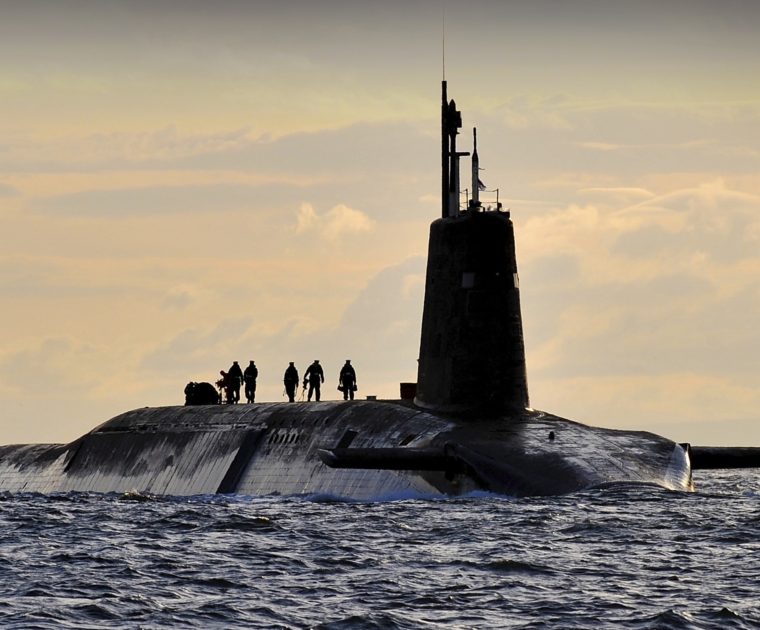
The village of Westminster is failing the UK public over Britain’s nuclear weapons policy at this most critical of moments. The Scots are about to vote on whether to leave a Union that is supposedly defended by Trident, and yet Trident is currently the most potent symbol for the SNP of what they claim is wrong with the Union. And the government in London is two years away from a final decision on whether to replace the nuclear weapon system.
Analysis
Keeping Trident ‘Stops Nuclear Blackmail,’ Claims Cross-Party Commission
he Trident Commission, spearheaded by BASIC, launched its concluding report on July 1st, and it is expected to add significant value to the debate on whether or not to keep Britain’s nuclear deterrent.

Arabs & Israelis meet again – good news or bad news?
On June 24-25, representatives from Middle Eastern states, including Israel and Egypt, will meet in Geneva for the second time in the past two months to discuss the modalities and possible outcomes of the postponed 2012 Helsinki conference on the establishment of a Middle East zone free of nuclear weapons and other weapons of mass destruction (WMD).
The case for complexity
Football, the modern-day opiate of the masses, is a simple passionate game of two teams and one simple, generally zero-sum result. We have a winner and loser; even drawn matches contribute to victory and defeat in the tournament. In attempting to make meaning out of the complexity of regional and sub-regional conflict by reducing it to the binaries of the football pitch, we often make monumental errors.
NATO: Slipping Into Confrontation
NATO defense ministers met in Brussels to discuss the Afghanistan withdrawal and Russia’s actions in Crimea and Ukraine. There are calls for stronger security assurances within the alliance, especially from countries near Russia. President Obama has pledged increased US military presence in Europe. However, NATO’s role remains focused on military rather than cooperative security strategies, which heightens tensions with Russia. This approach risks moving towards a competitive relationship rather than fostering mutual security.
A Glance at the Ukraine Crisis’s Impact on Nuclear Weapons Considerations
This week, eyes are on Ukraine to see whether the presidential election held on Sunday will soon lead to more stability; while many Ukrainians look ahead to the challenge of grappling with the problems that led to the crisis – both internal and external. The crisis intensified dynamics of a deteriorating relationship between NATO and Russia, where prospects had already been bleak for nuclear arms control. The crisis has even led some to call for re-emphasizing the role of nuclear weapons in transatlantic security.
Is UK disarmament quite so irrelevant?
The very quiet failure of this year’s Non-Proliferation Treaty (NPT) Preparatory Committee to agree any final document and the daunting challenge of the treaty Review Conference next year mean frustration is growing about the pace of progress by the nuclear-weapons states to disarm—so slow it feels like we are going backward.
Multilateral Frustrations Generate Challenges for Disarmament Diplomacy
This week the Conference on Disarmament begins its second session of the year in Geneva, on the back of the two weeks of multilateralism in New York City at the Nuclear Non-proliferation Treaty’s third Preparatory Committee Meeting (PrepCom).