Today, Russia and the US possess approximately 95% of the world’s nuclear weapons, and bilateral nuclear relations between these two countries still constitute one of the main issues in global nuclear disarmament.
Analysis
Repairing and refocusing a fractured nuclear discussion
Saying that nuclear non-proliferation and disarmament are interlinked may seem like a spectacular statement of the obvious. Non-proliferation – that is, preventing the further spread of nuclear weapons – relies heavily on our ability to simultaneously deliver results on disarmament – that is, getting rid of the nuclear weapons that currently exist around the world.
Finding a way out of the nuclear dispute with Iran: back to basics
The international diplomatic, economic and intelligence conflict over Iran’s nuclear program has now been in full flow for over a decade. Few crises have lasted this long at such tempo. It has involved complex games of diplomatic poker, missed opportunities and overplayed hands. Proposals have come and gone involving careful balancing of red lines and attempts to find common interest.
Strengthening Nonproliferation
In this report BASIC's senior fellow, Ward Wilson, argues that the perceived status of nuclear weapons as powerful political icons hinders nonproliferation efforts and encourages other states to retain or pursue nuclear weapons programs. Wilson also discusses specific steps states could take to tackle the increased symbolism of nuclear weapons and strengthen nonproliferation.
Multilateral cooperation on non-proliferation & regional security
This week we will witness several examples of multilateral cooperation on non-proliferation and regional security. Beginning today, it was reported that representatives from Middle East states are convening in Switzerland at a meeting organized by Finnish Ambassador Jaakko Laajava, the facilitator of the official conference to establish a zone free of nuclear and WMD in the Middle East.
Strengthening Nonproliferation: Game-Changing Ideas
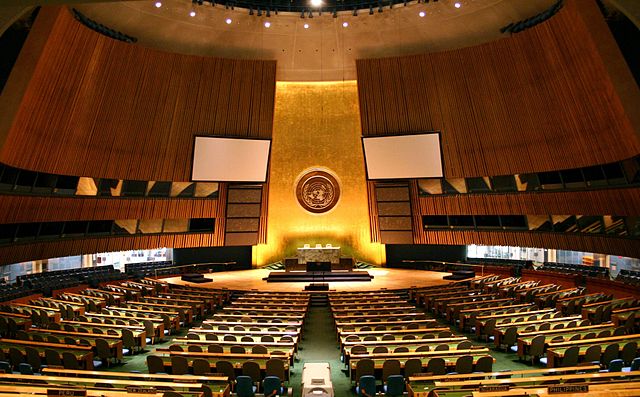
United Nations First Committee Side Event Ward Wilson and Barry Blechman discussed how to rethink the different value perceptions of nuclear weapons within an international security framework, in order to strengthen nonproliferation efforts.
Geneva talks: a fresh opportunity for Iran & E3+3 (P5+1)
The latest installment of the negotiations between Iran and the E3+3 (P5+1: United States, United Kingdom, China, Russia, France, and Germany) will resume on Tuesday and Wednesday in Geneva. Negotiations with Iran on its nuclear program are now into their 10th year, and each year brings about more disappointment and more anxiety over concerns of nuclear proliferation.
Why diversity matters to the nuclear debate
The public discourse around nuclear weapons policy can be deceptively binary: countries should retain nuclear capabilities or they shouldn’t; nuclear weapons provide security and strategic stability or they don’t. However, it is generally only the tip of the iceberg that makes its way into mainstream debate. In reality, a web of incredibly technical, expert discussion takes place below the surface which defines how substantive nuclear policy decisions are taken.