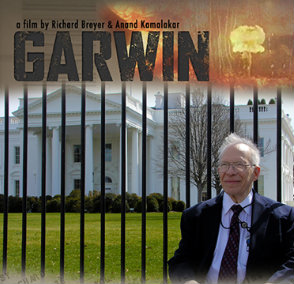
On June 13th, in conjunction with the Federation of American Scientists and the King\’s College London War Studies Department, BASIC hosted a screening of a feature length documentary about a scientist who shaped history: Dr. Richard Garwin.
Analysis
Is UK disarmament quite so irrelevant?
The very quiet failure of this year’s Non-Proliferation Treaty (NPT) Preparatory Committee to agree any final document and the daunting challenge of the treaty Review Conference next year mean frustration is growing about the pace of progress by the nuclear-weapons states to disarm—so slow it feels like we are going backward.
TacNukes News No. 9
This edition of TacNukes News looks at the impact of the Ukraine crisis on the issue, and the U.S. Administration’s latest spending requests and plans for modernizing the B61 nuclear bombs.
A Middle East free of Nuclear Weapons and other Weapons of Mass Destruction
The idea of establishing a Nuclear Weapon Free Zone in the Middle East was spearheaded by Iran in 1974, followed by Egyptian endorsement. In 1990, under President Hosni Mubarak’s leadership, Egypt broadened the concept of the zone to include other weapons of mass destruction and lobbied incessantly to bring discussions of the zone to the upper echelons of international relations, the Non-Proliferation Treaty (NPT) and the United Nations.
Multilateral Frustrations Generate Challenges for Disarmament Diplomacy
This week the Conference on Disarmament begins its second session of the year in Geneva, on the back of the two weeks of multilateralism in New York City at the Nuclear Non-proliferation Treaty’s third Preparatory Committee Meeting (PrepCom).
Belief in the WMD-Free Zone: The Tel-Aviv Roundtable Process
How will we achieve progress on the long and tortuous road of eliminating WMD from the whole of the Middle East and formalizing that in verified treaties? We clearly need to address the underlying obstacles that hinder further progress on the establishment of the WMD-free zone in the Middle East, and this was the subject of a side event at the 2014 NPT PrepCom on May 7th, co-hosted by BASIC with PAX and the Israeli Disarmament Movement.
How Do We Change the Global Nuclear Order?
Whenever diplomats get together to address the really big global issues of our time, the already daunting challenges of co-ordination are made more complex by their governments’ competing policy commitments—to economic growth (simplistically conceived), special-interest groups, “national security” and prestige.
Heeding the outcomes & remaining challenges of the 2014 Nuclear Security Summit
On March 24-25, 53 world leaders convened at The Hague for the third Nuclear Security Summit to discuss the implementation of national measures to protect vulnerable fissile and radiological material from belligerence-prone hands. The following commentary focuses on the summit’s outcomes and remaining challenges as a platform to build on for continued progress.