

The first of BASIC’s 2016 Parliamentary Briefing series relating to the Trident debate outlines the state of drone technology today relevant to anti-submarine warfare. Author David Hambling uses open sources to explore how small drone technology will impact the future detection and tracking of submarines.
Analysis
European Leadership Network on the Successor SSBN
In the wake of the parliamentary vote over a potential Trident successor, Former Assistant Chief of Defence Staff in the Ministry of Defence, John Gower, cited BASIC's three year independent cross-party enquiry on the issue. Gower acknowledged the balanced and inclusive approach BASIC adopted when undertaking the research.
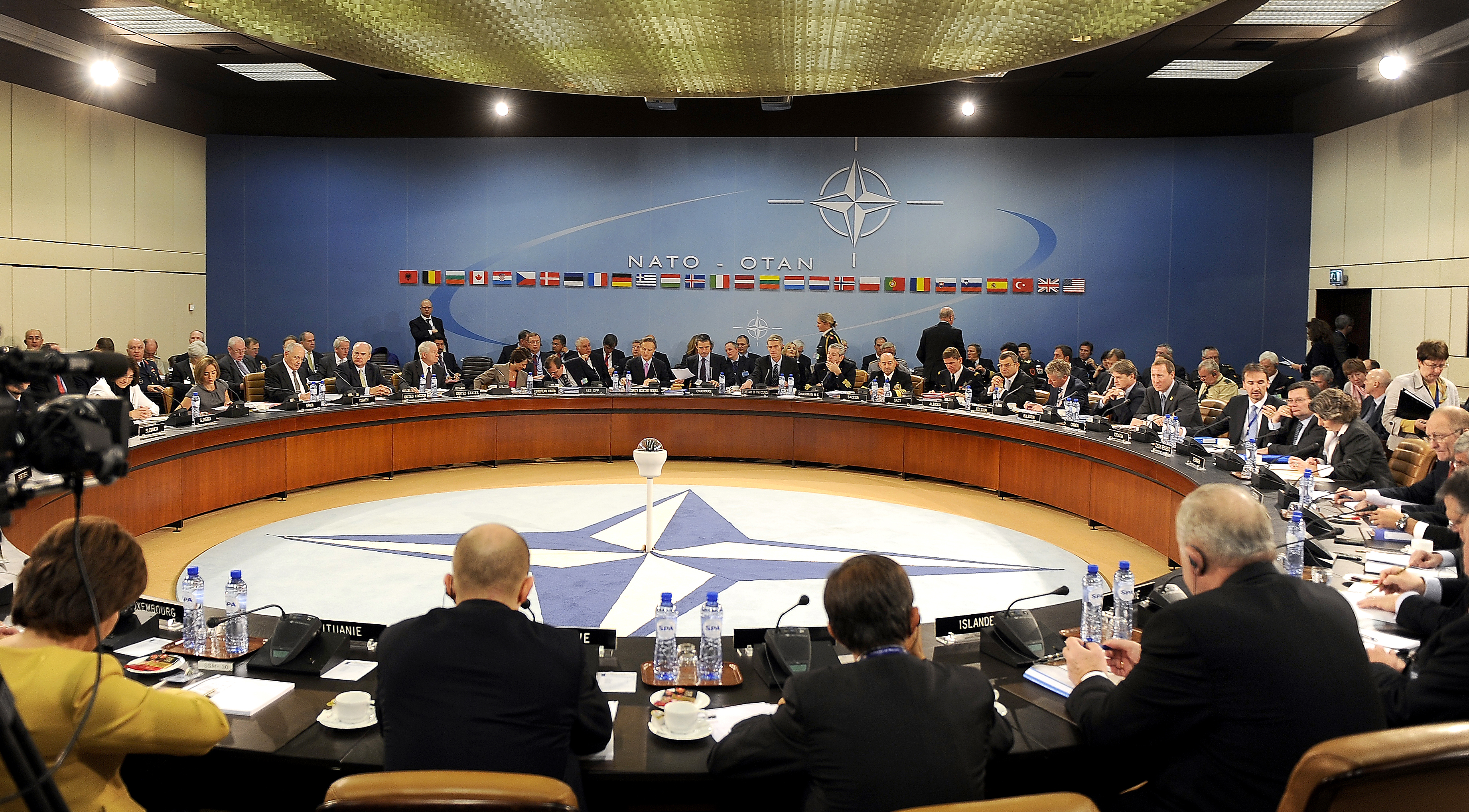
NATO Military Buildup Aimed at ‘Ensuring Reasons’ of Alliance’s Existence
NATO countries recently finalized arrangements to boost the alliance's rotational presence in Eastern Europe with four battalions in 2017. In an interview with Sputnik, Paul Ingram, Executive Director of the British American Security Information Council, commented on the issue.
“There is no doubt that it [the summit] is aimed at Russia. But it is also aimed at attempting to draw in and ensure that the alliance is cohesive,” the Paul Ingram said.
NATO’s 2016 Warsaw Summit: symbolism of a mature alliance?
When NATO heads of state and government enter the halls of the National Stadium in Warsaw for their Summit meeting on Friday, July 8th they will do so with mixed anxieties. They will review the successful implementation of their 2014 Wales Summit commitments, in particular the NATO Readiness Action Plan and the partial reversal of the trend of declining defence budgets.
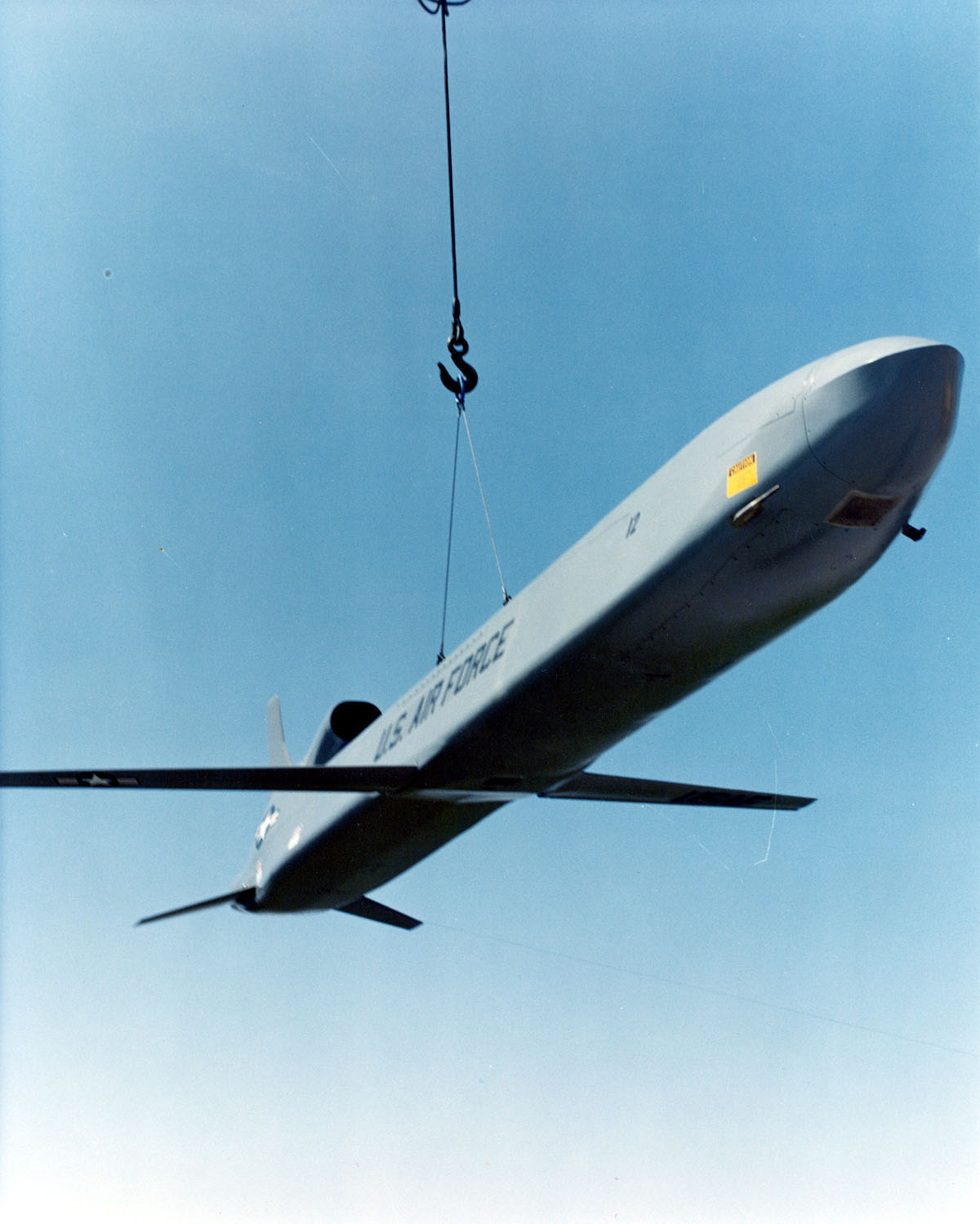
The LRSO: It’s Time for Arms Control
The Pentagon’s plans to acquire a new nuclear air-launched cruise missile (ALCM), known so far as the Long-Range Standoff Weapon (LRSO), remain live. On 16th June, the House of Representatives rejected an amendment to reduce funding for the development of the LRSO. If adopted, the cut would have slowed the development of the new weapon by three years, perhaps buying enough time to reconsider the wisdom behind the programme.

Brexit: Impact on Trident
The potential fall-out from the UK vote to leave the EU cannot be over-estimated. The political, economic and constitutional implications are deeply uncertain. The market turmoil and the plunge in the value of the pound will translate into massive financial pressures on government spending. The pressures for constitutional referenda in Scotland and Northern Ireland have just strengthened dramatically.
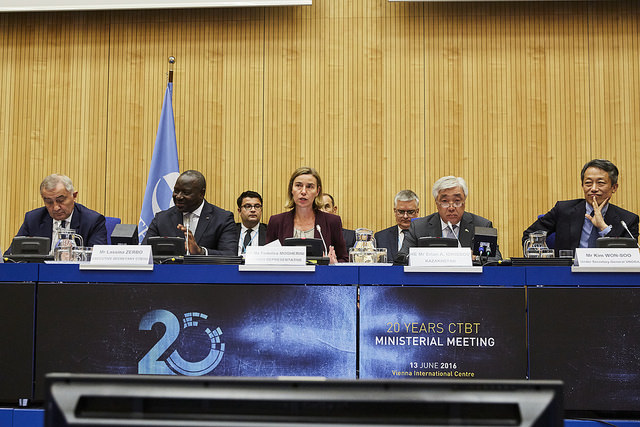
The role of the nuclear test ban as a non-proliferation and arms control instrument
The Comprehensive Nuclear-Test-Ban Treaty (CTBT) was agreed in 1996 after more than 2000 nuclear tests had left a lasting, poisonous legacy. The treaty’s negotiations had already contributed to the indefinite extension of the NPT the year before (having contributed to the failures of the 1980 and 1990 NPT Review Conferences). Confidence in arms control and disarmament was high, and nuclear arsenals were falling dramatically. Strategic relations were good. But things look very different today, with high levels of distrust and low confidence in achieving further disarmament progress.

Brendan’s Call to Challenge Hate
We need to look again at identity politics. Horror, despair, rage, confusion: they and other emotions are all understandable reactions to Jo’s killing last week.