The British American Security Information Council (BASIC) mourns the sudden passing of Joanne Skolnick, a valued member of our Board of Trustees.


Executive Director
Risk Reduction | Nuclear Disarmament | International Organisations
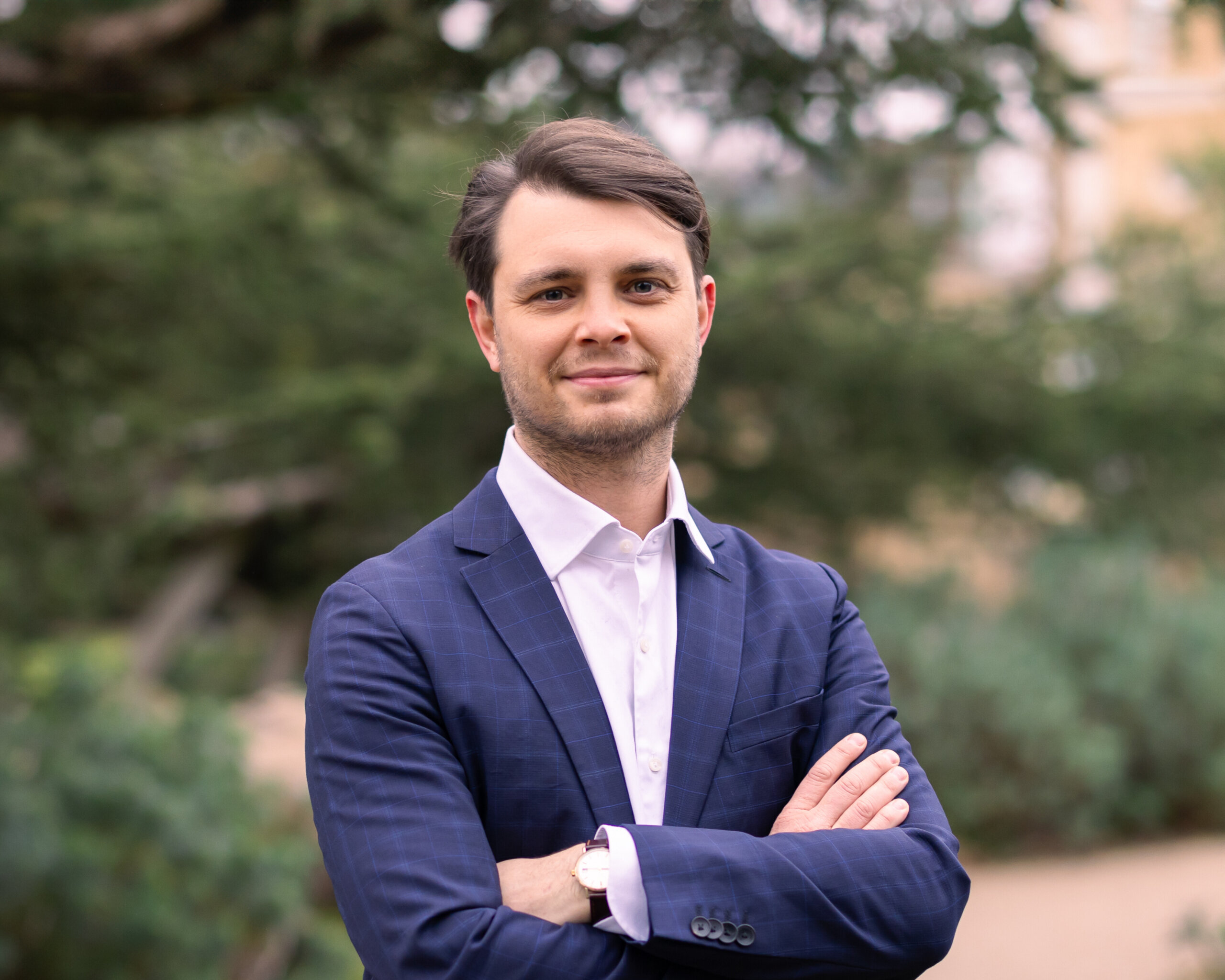
Sebastian Brixey-Williams is the Executive Director of The British American Security Information Council (BASIC) and an Honorary Research Associate at the School of Government at the University of Birmingham. He was a 2024-2025 Research Fellow at the Project on Managing the Atom at the Harvard Kennedy School.
Sebastian’s research and practice centres around how to ensure that nuclear-armed states manage their nuclear weapons in as legal, morally responsible, and transparent manner as possible while advancing multilateral efforts towards a more sustainable global security system that does not rely on nuclear deterrence.
Sebastian regularly advises world-leading forums for discussion on nuclear weapons policy and diplomacy, including the P5/N5 Process, the UN Secretary-General’s Advisory Board on Disarmament Matters, the UN Secretary-General’s High-Level Advisory Board on Effective Multilateralism, and three All-Party Parliamentary Groups in the British Parliament. From 2023-2024, he served as one of three British delegates to the Expert Level Track to the P5/N5 Process.
Office: +44 20 3488 6974
Discover below Sebastian’s posts ordered from newest to oldest
The British American Security Information Council (BASIC) mourns the sudden passing of Joanne Skolnick, a valued member of our Board of Trustees.
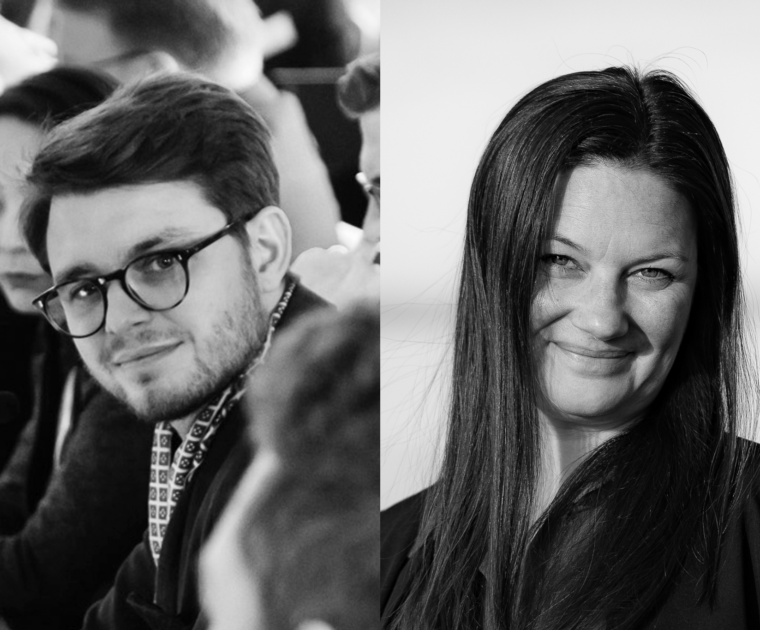
We are delighted to announce that BASIC’s Executive Director Sebastian Brixey-Williams has been awarded a Fellowship at Harvard’s Managing Atom Program and Senior Policy Fellow and Programme Director Dr Gry Thomasen has been promoted to Research Director.
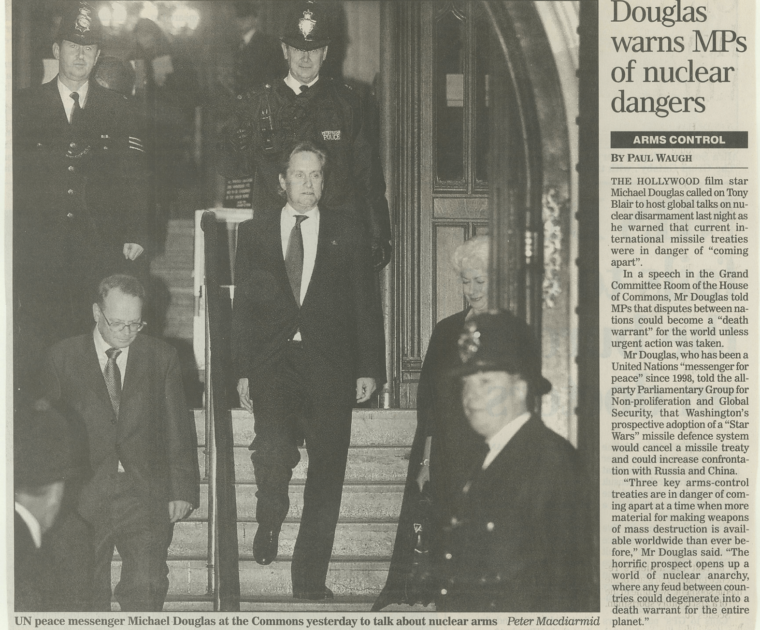
The All-Party Parliamentary Group (APPG) on Global Security and Non-Proliferation has formally closed its doors after 24 years of operations in the British Parliament.

BASIC is pleased to become a member of the Rethinking Security Network, a community of policymakers, academics, and civil society organisations thinking holistically about security policy can be shaped to be more equitable, just, and ecologically-grounded.