
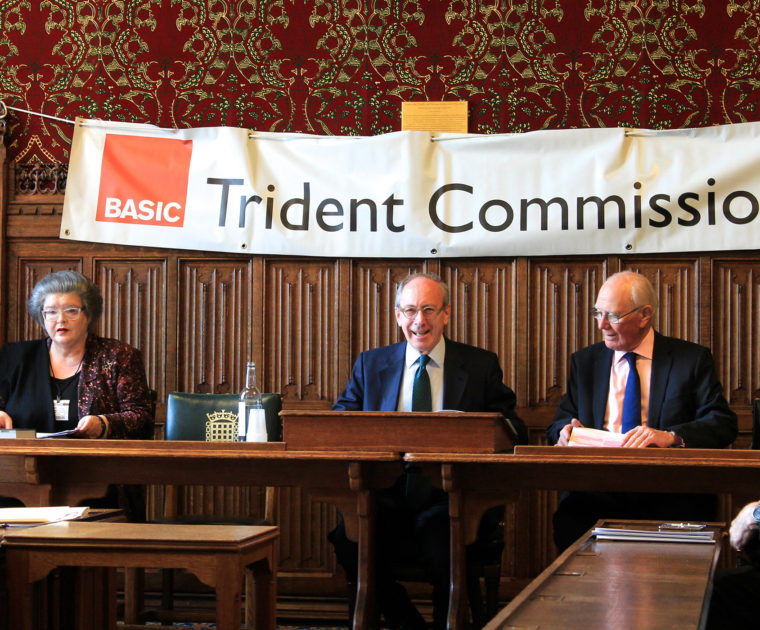
BASIC has published its own guide to help interpret the Trident Commission’s concluding report. It draws out the principal messages, and some of the disagreements between the Commission members.
Search Results for: publication
Background Briefing Papers to the Trident Commission Concluding Report
This collection of background papers is published on the same day as the final report from the Commission and can be read alongside it. They are not representative of the views of the Commission but rather of the authors that submitted them. They have fed into the Commission’s deliberations and have been affected by them.
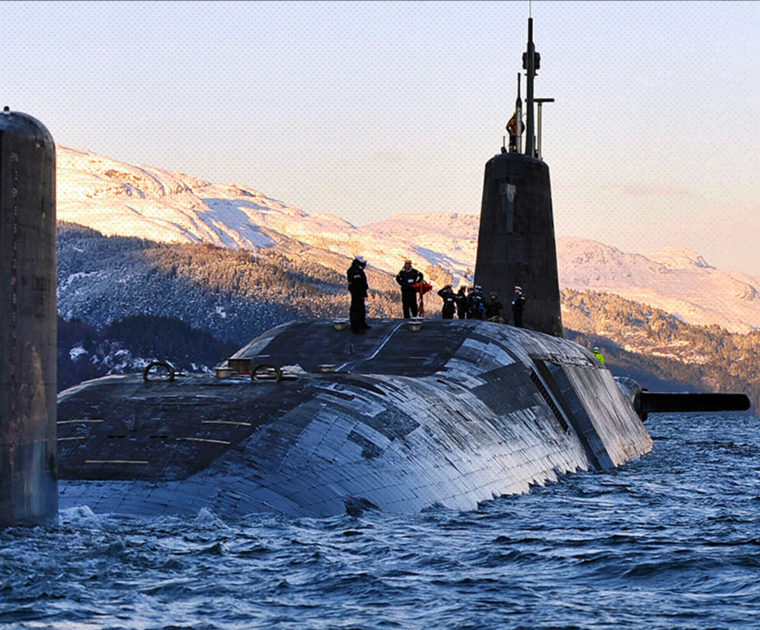
The Trident Commission: Concluding Report
The concluding report from the Trident Commission is aimed to contribute to an informed and deeper debate on Trident renewal that focuses on national security in its widest sense.
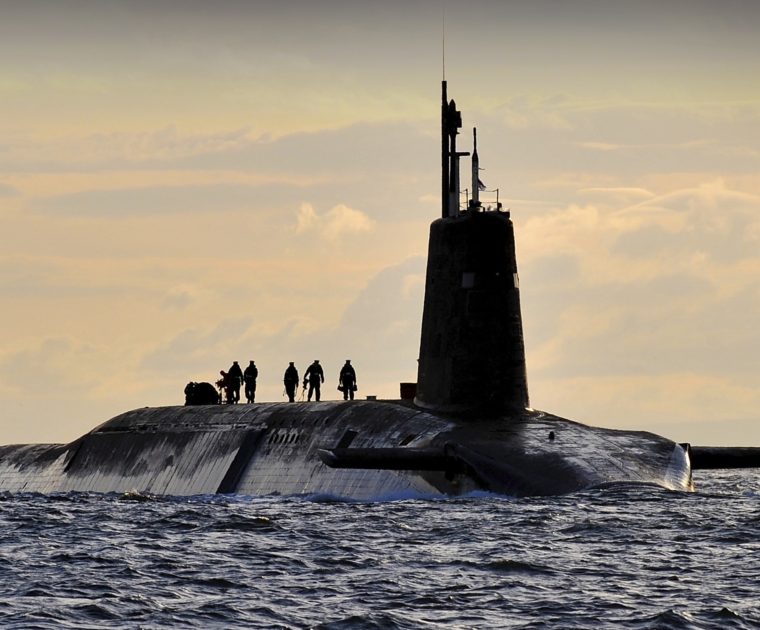
Behind the Trident Commission Report
The village of Westminster is failing the UK public over Britain’s nuclear weapons policy at this most critical of moments. The Scots are about to vote on whether to leave a Union that is supposedly defended by Trident, and yet Trident is currently the most potent symbol for the SNP of what they claim is wrong with the Union. And the government in London is two years away from a final decision on whether to replace the nuclear weapon system.
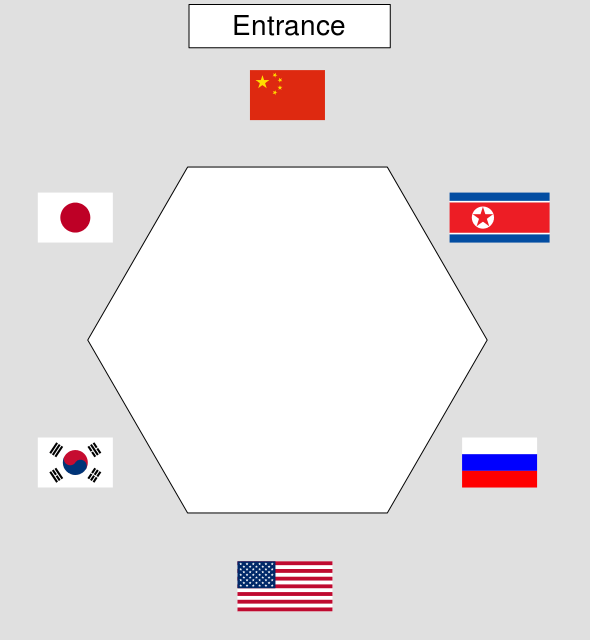
Going back to the Six-Party Talks, is there any hope?
North Korea’s nuclear weapons program has given rise to much debate on the security challenges that it brings to the international system. Its deployment of ballistic missiles and testing of nuclear devices (2006, 2009, and 2013) have alarmed states around the world, and posed dangers and threats to the region. In fact, recent activity at North Korea’s nuclear facility has given rise to new concerns about the possibility of a fourth nuclear test.
A Glance at the Ukraine Crisis’s Impact on Nuclear Weapons Considerations
This week, eyes are on Ukraine to see whether the presidential election held on Sunday will soon lead to more stability; while many Ukrainians look ahead to the challenge of grappling with the problems that led to the crisis – both internal and external. The crisis intensified dynamics of a deteriorating relationship between NATO and Russia, where prospects had already been bleak for nuclear arms control. The crisis has even led some to call for re-emphasizing the role of nuclear weapons in transatlantic security.
TacNukes News No. 9
This edition of TacNukes News looks at the impact of the Ukraine crisis on the issue, and the U.S. Administration’s latest spending requests and plans for modernizing the B61 nuclear bombs.
Heeding the outcomes & remaining challenges of the 2014 Nuclear Security Summit
On March 24-25, 53 world leaders convened at The Hague for the third Nuclear Security Summit to discuss the implementation of national measures to protect vulnerable fissile and radiological material from belligerence-prone hands. The following commentary focuses on the summit’s outcomes and remaining challenges as a platform to build on for continued progress.