
Syed Ali Zia Jaffery is Deputy Director, Center for Security, Strategy and Policy Research, University of Lahore, and Associate Editor of Pakistan Politico.
Search Results for: news
Anuradha Damale-Day
Anuradha Damale was a Policy Fellow and Programme Manager at BASIC, as well as a PhD researcher on ‘Responsibility in Outer Space’ for the EU Funded Third Nuclear Age Project at the University of Leicester.

Extra-Long Trident Patrols: Heightened Risks for Crew Wellbeing and Nuclear Safety?
Trident patrols are now regularly five months long, up from just two months during the Cold War. What might the implications be for those serving aboard?

Dumping “Disposable” Reactors in the Sea Should be a Non-Starter
Chris Spedding argues that developing and testing autonomous nuclear-propulsion reactors for aerial or subsea munitions will lead to a real risk of radiological exposure and contamination, with lethal consequences.

The Potential for Developing Shared Nuclear Responsibilities in an Unstable South Asian Nuclear Relationship
In the third of our special pieces on the potential of reframing the nuclear debate in the Asia-Pacific by focusing on the nuclear responsibilities of states, Nidaa Shahid highlights the importance of developing better lines of communication between India and Pakistan, especially in times of crisis.
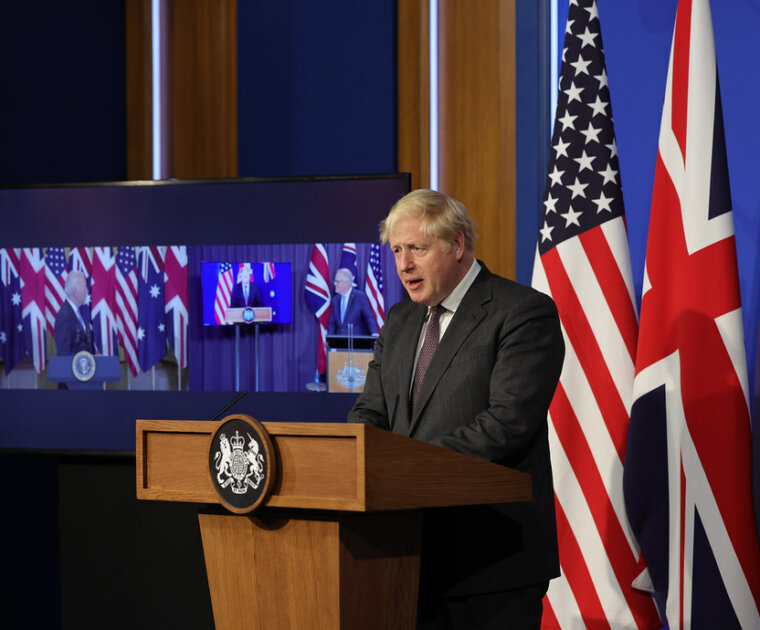
AUKUS and Southeast Asia’s Non-Proliferation Concerns
In the second of our series reflecting on the value of thinking about risk reduction and security in the Asia-Pacific in terms of nuclear responsibilities, Ristian Atriandi Supriyanto examines the response of ASEAN governments to AUKUS.

The EVN Broadcast
The Emerging Voices Network (EVN) Broadcast is a bi-monthly newsletter that highlights content from its…
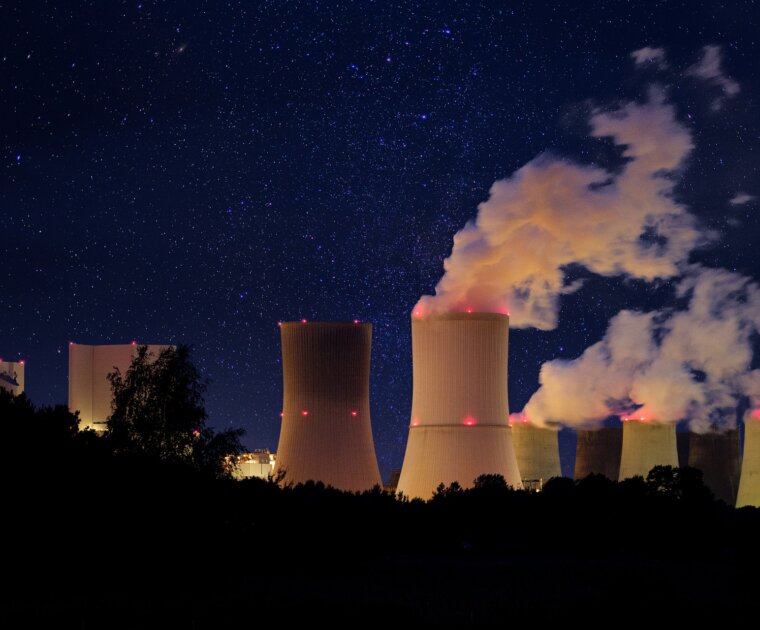
The Global South: Access to Nuclear Technologies and the Ban Treaty
In this blog piece, Professor Andrew Futter and Dr Olamide Samuel discuss the lack of focus on civilian nuclear energy and the Global South in analyses of the Ban Treaty.