
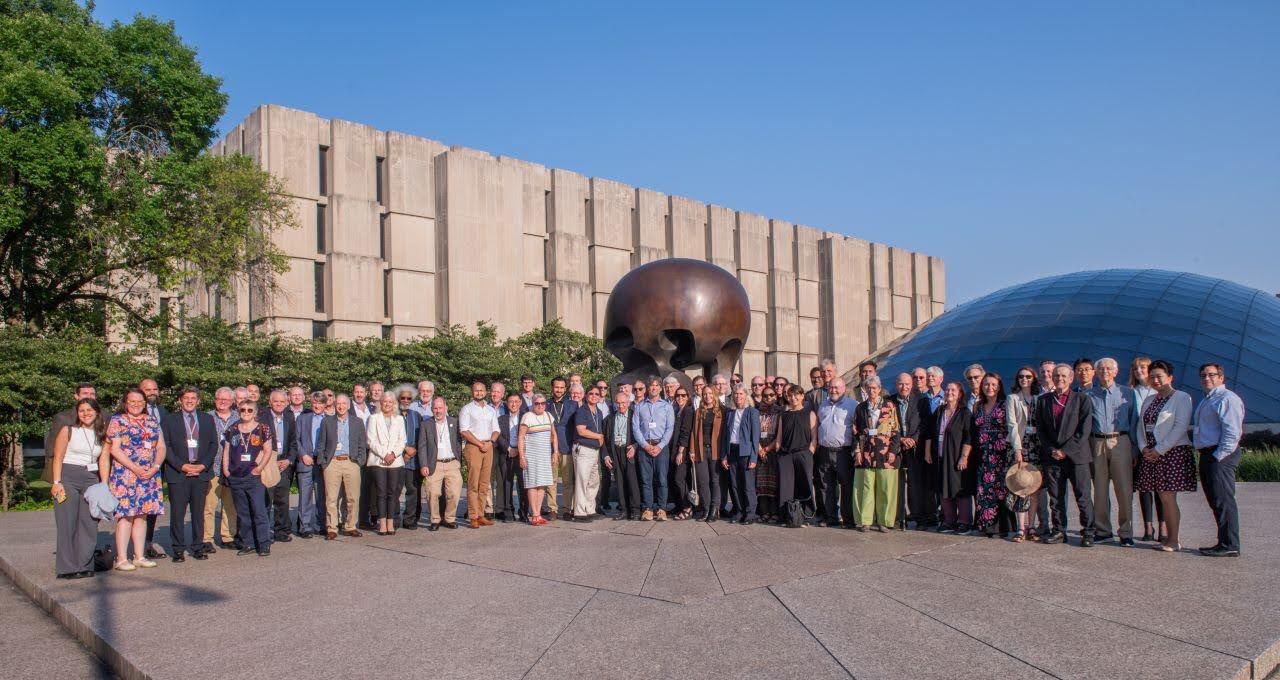
The July 2025 Nobel Laureate Assembly for the Prevention of Nuclear War at the University of Chicago was a three-day conference to mark the 80th anniversary of the Trinity Test − the first detonation of a nuclear weapon − conducted by the US Army in July 1945 in New Mexico. Attending the conference were nuclear experts and Nobel Laureates who discussed and debated current and future nuclear risks, with the aim of developing a declaration containing a list of actionable recommendations that governments and policy makers can implement to reduce the risk of nuclear war. BASIC’s Policy Intern Chiara Fargnoli attended the conference and reflects on the proceedings.
The Nobel Laureate Assembly for the Prevention of Nuclear War highlighted two crucial dimensions of the current nuclear predicament.
First, there is an evident absence throughout the world of sustained strategic dialogue and robust mechanisms for crisis prevention regarding nuclear weapons and related security challenges. This should be a matter of urgent international concern. In an era of heightened geopolitical tension, a lack of communication and de-escalation frameworks significantly increases the risk of miscalculation, misunderstanding, and unintended escalation. Without better-structured avenues for dialogue, we are navigating a high stakes environment blindfolded. The time for dormancy is over. Concrete steps must be taken now to ensure a safer and sustainable future for all.
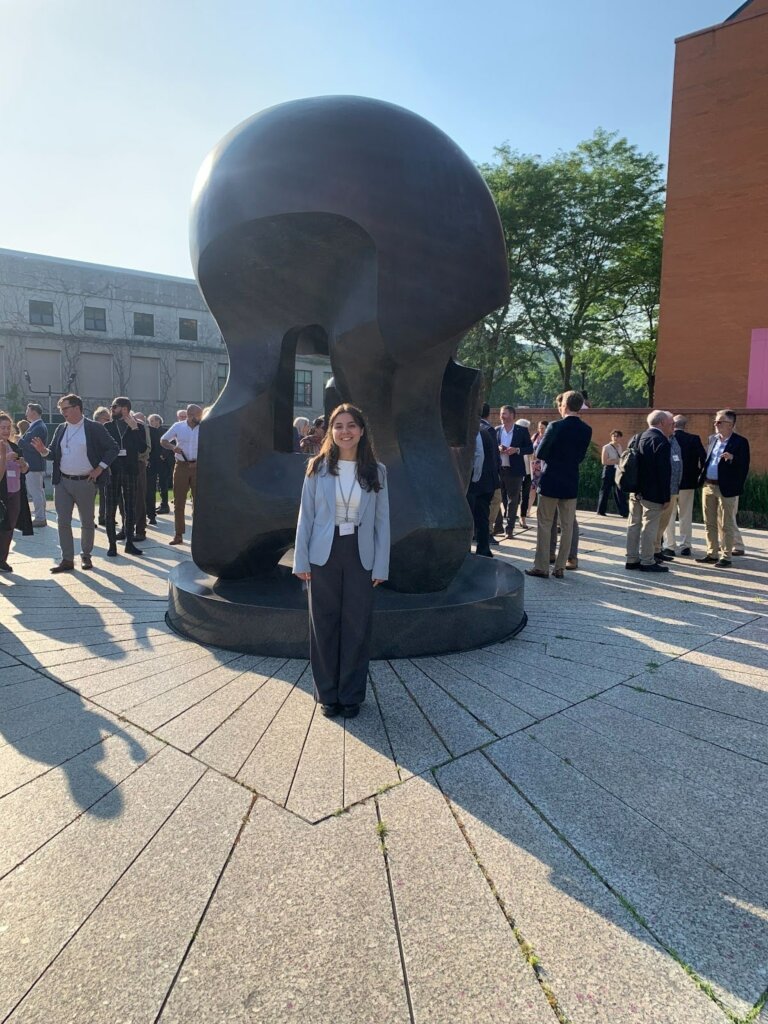
Chiara Fargnoli at UChicago – the birthplace of the atomic age
Second, the fact that the authority to launch a nuclear missile remains concentrated in the hands of a single individual is profoundly troubling. This should serve as a wake-up call for all. It is alarming to consider that the fate of humanity could hinge on a unilateral decision made by one person. As the end-of-conference declaration rightly proposes, a dual-authority system must be established, and reliable hotline communications should be implemented as a safeguard against the outbreak of a nuclear war.
In the event, the declaration agreed upon at the end of the conference highlighted various crucial topics: the balance between strategic and offensive capabilities, the implementation of a two-person rule in nuclear decision-making, and the importance of strengthening the Outer Space Treaty recognizing space as a global commons and the danger posed by the potential placement of nuclear weapons in space. The declaration, endorsed by 120 Nobel Laureates so far, also recommends the development of multilateral dialogue and crisis prevention and management mechanisms that includes:
- Recommitting to non-proliferation and disarmament objectives;
- Committing to a moratorium on nuclear explosive testing;
- Engaging in cooperative dialogue on “the scientific, legal, and military implications” of AI and other emerging technologies;
- Investing in cooperative research on the impacts of nuclear conflict, and
- Calling on “civil societies, scientists, and communities of faith to create the necessary pressure on global leaders to implement nuclear risk reduction measures”.
Although many of these proposals have been raised in the public domain, for example by members of BASIC’s Emerging Voices Network (EVN) in the reports Strengthening the Humanitarian Impacts of Nuclear Weapons Agenda Within the NPT (May 2024), and De-siloing Existential Threats II: Tackling the Interconnections Between Global Dangers (July 2024), meaningful action has yet to follow. Investments in nuclear modernisation programmes are accelerating, significant resources are being allocated to develop missile defence systems, and the prospect of additional countries acquiring nuclear capabilities appears increasingly imminent.
The fact that the conference was held at the University was poignant. UChicago represents the birth of the atomic age – its campus was where the first sustained nuclear chain reaction was conducted. It is also the birthplace of many of the first organisations that tried to warn the world about the threat of nuclear apocalypse. A fitting venue then for the latest declaration to be made, especially its grim warning for the future: “Our survival and the survival of future generations are at stake”.