The new year will bring with it a host of issues for the international community to contend with. High on the agenda will be implementation of the interim deal over the Iranian nuclear program, which was agreed to in 2013 after intense negotiations between Iran and the P5+1 (the United States, United Kingdom, France, Germany, Russia, and China).
Programmes
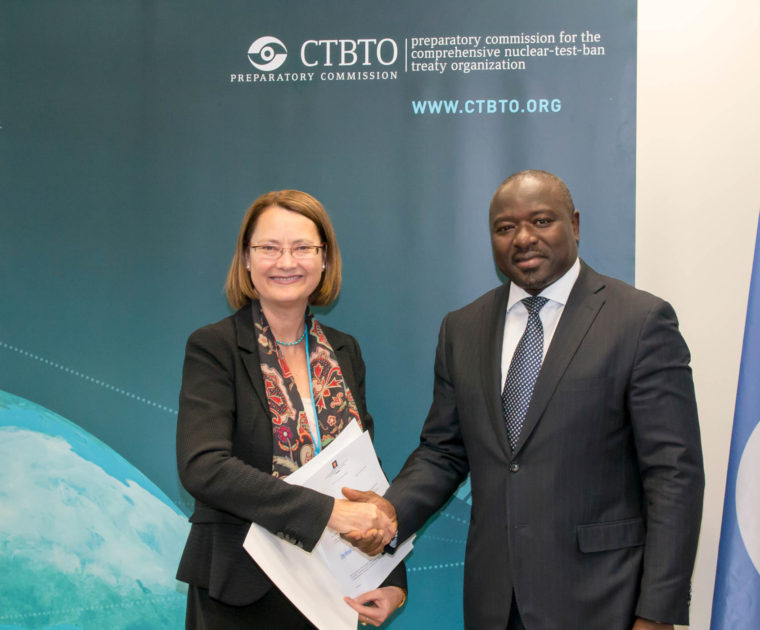
Nuclear Diplomacy in 2014
Looking ahead to this coming year, 2014 is full of opportunities for reducing the value of nuclear weapons and developing arms control in ways that could improve security relations. Enough time remains before policymakers and analysts start talking about how we must focus on “managing expectations” for the Nuclear Non-Proliferation Treaty (NPT) Review Conference in the spring of 2015.
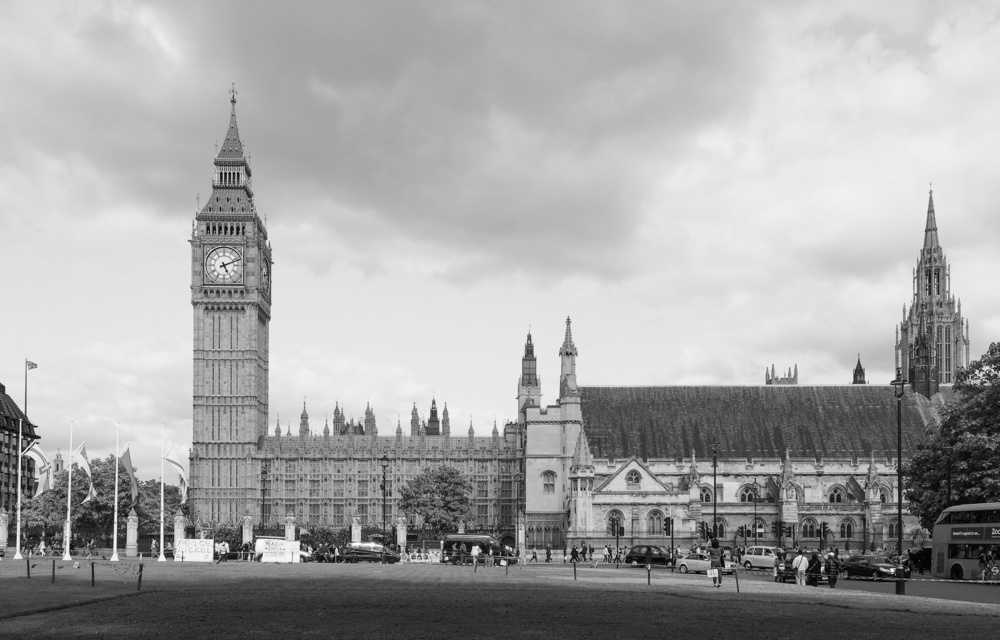
Britain’s political parties and their nuclear postures
In 2016, for only the second time in Britain’s history as a nuclear power, Parliament is expected to vote to decide the future of the United Kingdom’s strategic nuclear deterrent. Britain’s nuclear policy is heavily influenced by the ideological positions of Britain’s three dominant political parties. Each of the parties has a spread of opinion within them.
Nuclear Deal with Iran: Limitations and Regional Repercussions
The sealing of a nuclear deal with Iran on November 24 represents not only an explicit victory for diplomacy, but also an overarching recognition of the fact that negotiations and rapprochement are inherently more constructive than conflict.
More sanctions could undermine the Iran deal
The following weeks are likely to be challenging ones, domestically and internationally, for the Obama administration. While the interim deal over the Iranian nuclear programme has been welcomed as a positive first step by many in the international community and in arms control circles, US congressional support has been less full-throated.
The Struggle Against Apartheid Continues
An extraordinary life, full of inspiration, the media today is wall-to-wall with accolades for Mandela as the world prepares for his funeral. People looking back on a life well lived, picking out his most extraordinary qualities – dignity, humility, compassion, forgiveness, sacrifice and most notably (for it crosses a near-universal taboo) his acceptance of death throughout his life.
The OPCW and Syria: learning the lessons of verification
Verification remains a key challenge on the road to nuclear disarmament and the continued non-proliferation of WMD. It is complex, politically and technically, and ultimately can only be sustainable in the long run if it is freely entered into, non-discriminatory, universally applicable and credible. Does the OPCW hold lessons for confidence in multilateral nuclear disarmament?
Soviet Missiles and Persistence
I found this picture on the internet. I was searching for an image that I could use in a presentation to make people think about nuclear missiles. It’s an extraordinary picture. The caption reads, “AFP: This file picture taken on March 18, 2008 of Russian Topol ICBMs behind a barbed-wire fence during a repetition for the nation's annual May 9 Victory Day parade 50 km outside Moscow in Yushkovo.”