On February 18th negotiations on a “comprehensive solution” concerning Iran’s nuclear program will begin in Vienna, Austria. In an interim agreement, or the “Joint Plan of Action”, the five permanent members of the UN Security Council and Germany convinced Iran to cease its production of 20 percent highly enriched uranium.
Content Type
Russian-U.S. nuclear arms control malaise
This week, while all eyes are on the Olympic games in Russia, there may be brewing a quandary for the Obama Administration over how to address an alleged breach of the 1987 Intermediate-Range Nuclear Forces (INF) Treaty between the two countries. Although the Administration has not formally confirmed its view on whether a violation occurred, several U.S. Congressmen are putting pressure on the Administration to take action (GSN/Feb. 7) against Russia.
NPT PrepCom 2014: the WMD-free zone in the Middle East and prospects for success
On January 24, 2014, BASIC hosted a roundtable in Washington, DC with experts on both nuclear weapons issues and the Middle East, to discuss potential for progress on a WMD-free zone in the region. This paper highlights, in summary form, the key points discussed.
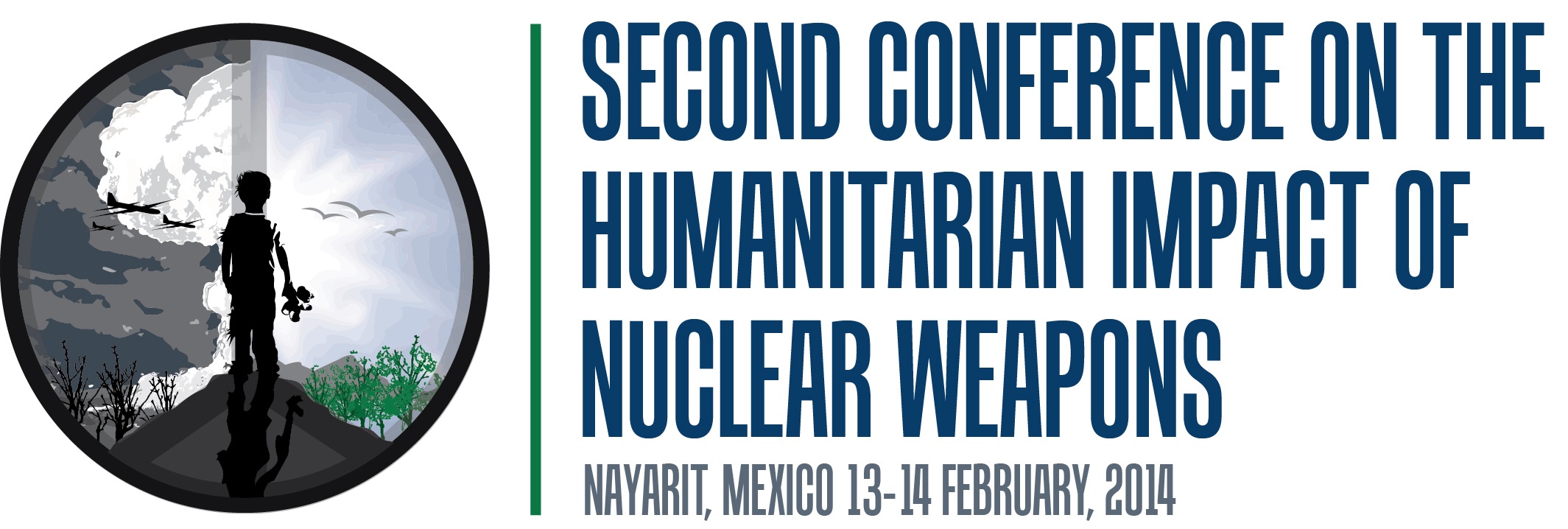
Rethinking nuclear catastrophe
It is ironic, but not completely surprising, that our desire for nuclear disarmament has its roots in the same principles that drive our continued military investment in nuclear weapons: predominantly the dire humanitarian consequences that would result from a nuclear attack or accident. The potential consequences are what inspire the global community to keep pressing for change. But the belief in deterrence, that our ability to inflict huge reciprocal damage is what keeps others from attacking us, is also what makes proponents of nuclear weapons feel protected.
Iran: Perceptions and Politics
When I put out the feelers for potential companions for a trip to Iran not long ago, I was struck by the incredulity with which people regarded my plans. There seemed to be a widespread notion that embarking upon such a trip equated to, at best, terrible taste in holiday destinations and at worst, an ill-disguised death wish.
An appeal for strategic thinking in security strategy
President Obama will be giving his State of the Union Address tomorrow (Tuesday) night, his chance to outline his national strategy. Americans will be looking for forward-looking inspiration from their Commander-in-Chief. Less in the spotlight, on Thursday the British Prime Minister, David Cameron, will be giving evidence in front of the parliamentary Joint Committee on the National Security Strategy, where he is expected to discuss the operations of the National Security Council and his plans for the next National Security Strategy to be published after the next election in 2015.
Building Capacity for a WMD-Free Middle East
BASIC held in Washington, DC a private roundtable discussion with experts on both nuclear weapons issues and the Middle East, to discuss potential for progress on a WMD-free zone in the region. This paper highlights, in summary form, the key points discussed during the meeting which followed Chatham House Rules.
Building Capacity for a WMD-Free Middle East*
WMD-free zones have already been successfully established elsewhere in the world, including in Africa, Latin America and the Caribbean, the South Pacific and South East Asia. Rich expertise exists from the establishment of those zones, both on navigating political blockages and on developing the necessary technical capacity to deliver an agreement, which could provide valuable lessons for the Middle East. This article reviews the potential utility of focusing on the technical capacity that would be needed to support a WMD-Free Zone in the Middle East.