
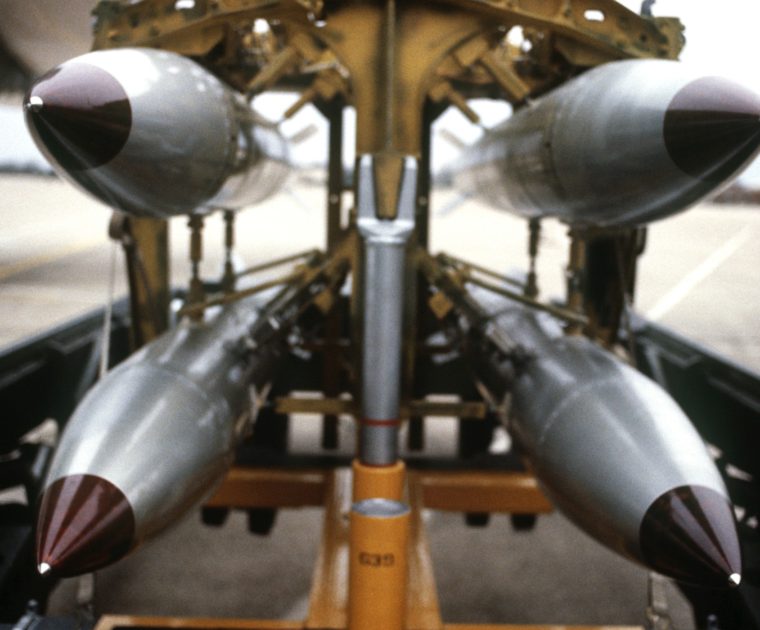
This fact sheet outlines the core issues involved in US plans to modernise the B61 bombs through the Life Extension Program (LEP), the reactions and costs associated with this, and the future of the B61s in Europe.
Content Type
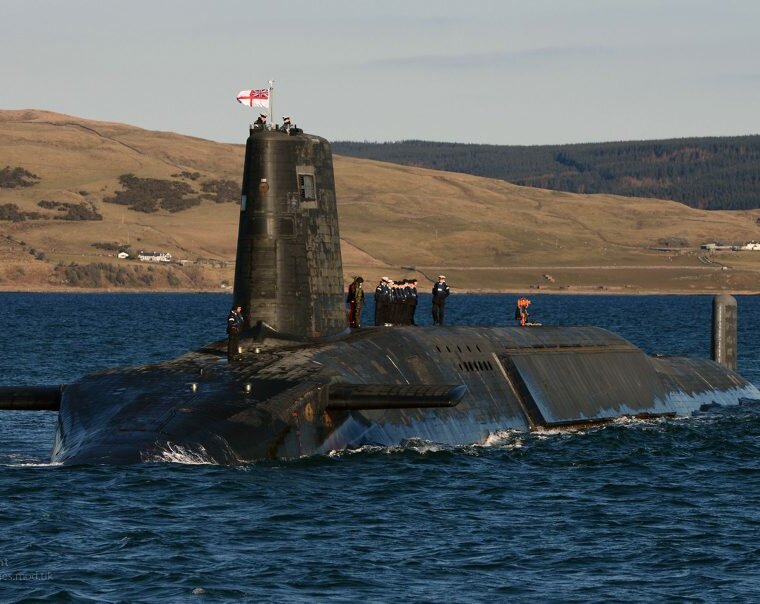
What the Future of Trident Means for the UK’s Role in the World
Join us and YPFP for an engaging panel discussion looking at the future of Trident, and what it could mean for the UK’s role in the world.
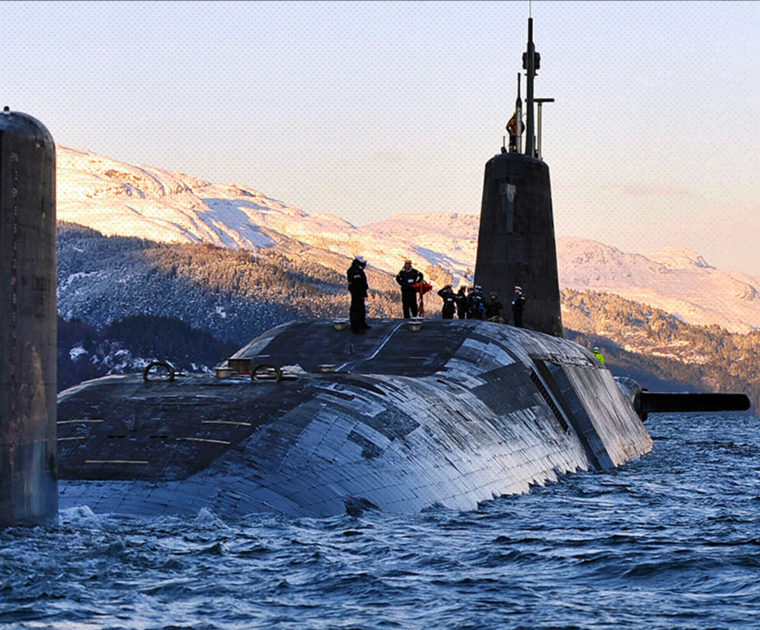
Britain’s deep-sea defence: out of time?
Paul Rogers, a professor writing for Open Democracy, published an article outlining the threat of emerging technologies on the UK's nuclear submarines, particularly the advancement of swarming technologies. The article references BASIC as an organisation that address the issue of underwater technologies, and also sources David Hambling's briefing on emerging underwater drones.
New Trident submarines doomed by drones of the future, says new report
The Guardian’s Julian Borger wrote an article based on BASIC’s recently published report on underwater drone technology. He explains that because of the new technologies, it will become impossible for submarines to hide in the oceans.
Britain’s Trident Nuclear Program at Risk From Unmanned Sub Drones
Sputnik News published an article that was based on reports written by BASICs David Hambling on the security of the Trident replacement, given the emergence of new underwater technologies. The article quotes Hambling directly on two occasions to frame the context of the emerging underwater drone technology.
Drone technology a threat to Trident submarines, MPs to be told
David Connett has written an article for the Independant based on the BASIC briefing published on underwater drone technologies. Both BASIC and Paul Ingram are both referenced in the article, which discusses how emerging drone technology is likely to render Trident useless by the time it is to be deployed into service.
UK Disagrees With EU Saudi Trade Embargo
Alexander Mosesov from Sputnik News featured a story about the UK’s disagreement with the EU-Saudi trade embargo. The article argues that the reaction by the UK to the decision was predictable. Paul Ingram was quoted in the article saying,
“This response [to oppose the embargo] from the British government is absolutely predictable. There is a strong belief in Whitehall [the British civil service] that the British defense industry depends upon exports to Saudi Arabia, and the strategic support the UK gives to Riyadh benefits UK influence in the region”
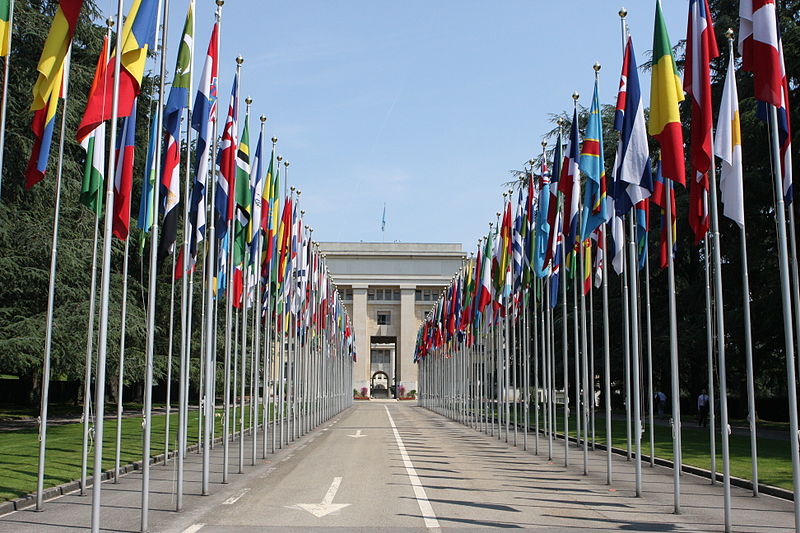
The OEWG is taking multilateral nuclear disarmament negotiations forward
The new Open-ended Working Group (OEWG), established in United Nations General Assembly Resolution 70/33 adopted in December 2015, opened on 22 February in Geneva. It will meet over the course of 15 working days in February, May and August of 2016 and submit a final report in October.