

The new Open-ended Working Group (OEWG), established in United Nations General Assembly Resolution 70/33 adopted in December 2015, opened on 22 February in Geneva. It will meet over the course of 15 working days in February, May and August of 2016 and submit a final report in October.
Analysis
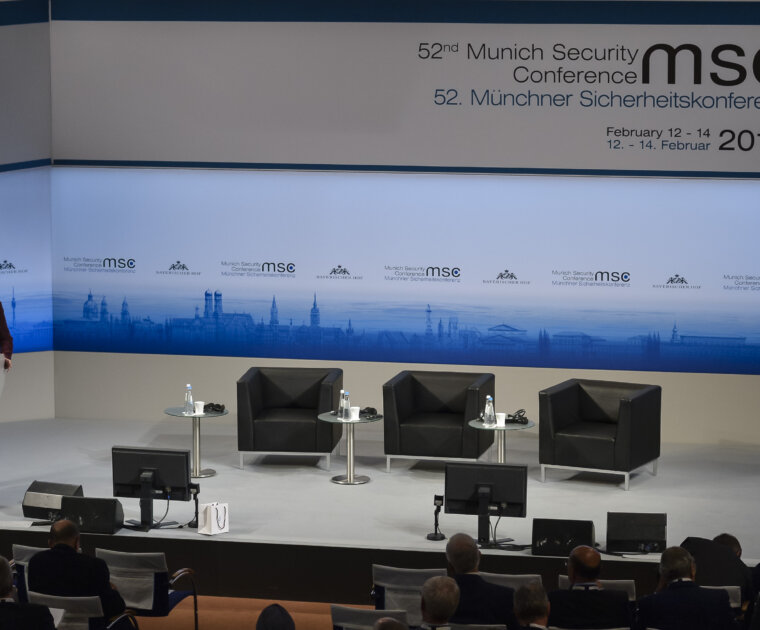
From Munich to Warsaw: NATO rethinks deterrence
The Munich Security Conference is possibly the biggest annual event in the calendar for global elites talking strategic security and stability. This year’s shindig confirmed that the myriad of challenges facing the world is as complex as ever. One issue in particular was vexing delegates: the confrontation between the West and Russia and its implications for NATO’s eastern flank.
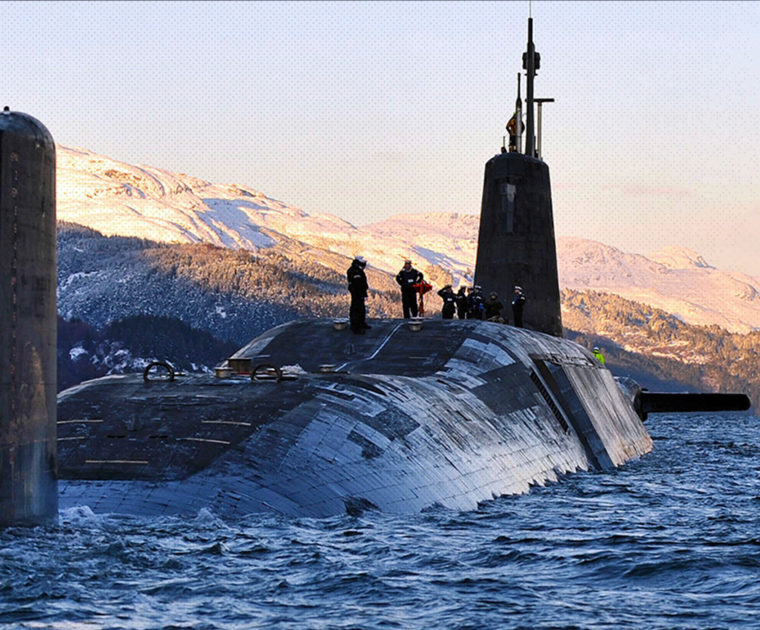
Labour’s Trident debate needs to be based on facts
The BASIC Trident Commission was referenced in John Hutton and George Robertson's article in the Guardian titled “Labour’s Trident debate needs to be based on facts.”
Trident: the British question
The Guardian’s Ian Jack was briefed by Paul Ingram on November’s SDSR and vulnerabilities to Trident, before writing this in-depth review. It is a holistic article that touches on nine diverse topics which are part of the complex debate of Trident in the UK.
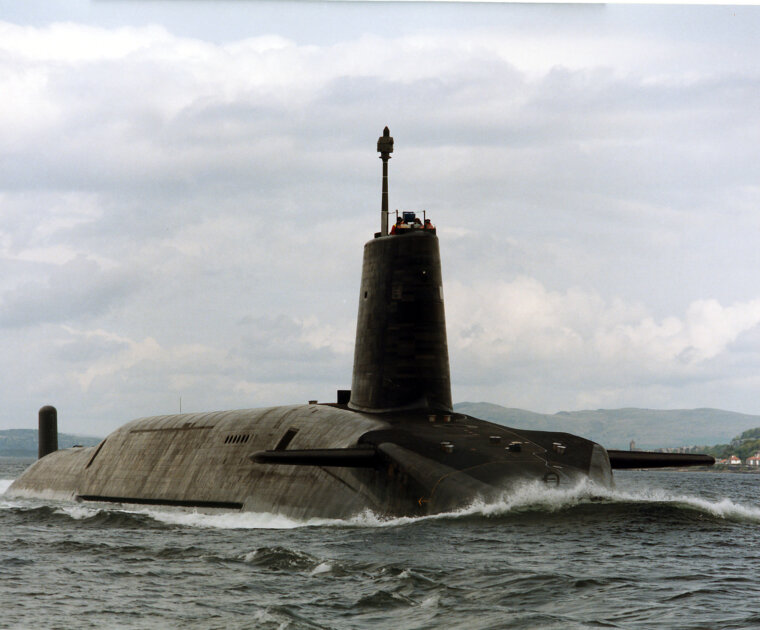
Politics Live with Andrew Sparrow
Paul Ingram was mentioned in Andrew Sparrow's Politics Live on the 9 February. Sparrow directly quotes Paul's recent statments in his Huffington Post blog, and his comments at his BBC World at One interview as a form of analysis on Trident.

Trident: Getting agreed Labour position ‘may be impossible’
BBC News featured a story about the Labour party division on Trident as it goes through its defence review.
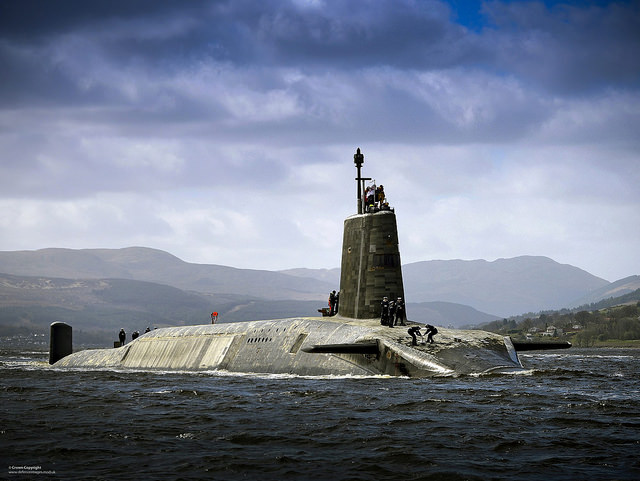
Making Sense of the Trident Debate Requires an Open Mind – In Defence of Emily Thornberry
It has always astounded me how little attention people have paid to risk and future developments when debating Trident. It's a debate that heats the passions up more than most, because it deals with such visceral things as security and morality, and acts as a proxy for political identity. All too often people revert to established positions, comfortable that they are right, even if they lose.
Will Trident Still Work in the Future?
Developments in anti-submarine warfare could be decisive. Emerging developments in technology that are transforming our lives and already revolutionising the battle-space in air and on land could ensure that submarines will no longer be stealthy in the foreseeable future, however silent they are. This is undeniable, and claims that these risks are minimal to Trident’s future are patently false. The judgement comes in assessing this risk and when it becomes operational, based upon the speed of technology development today, and what countermeasures that could be developed. This briefing outlines the risk and its consequences to the programme.