
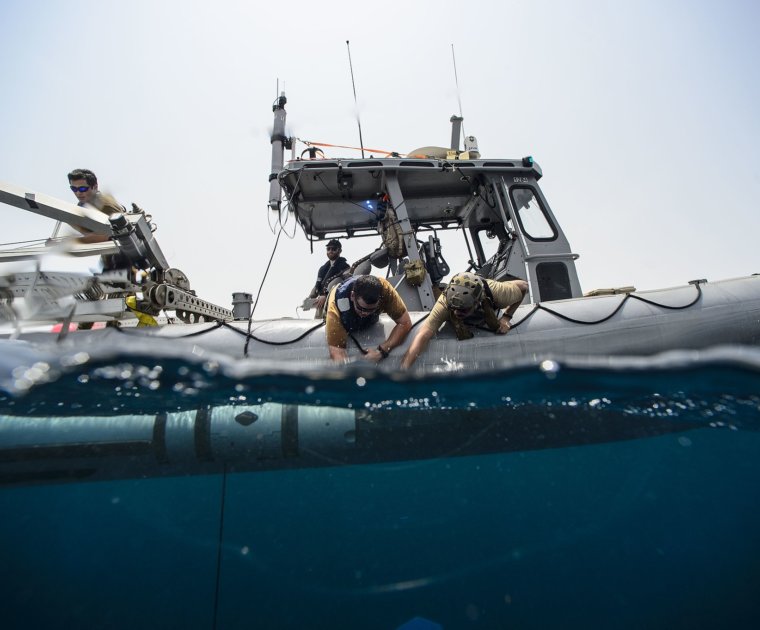
We are delighted to share this new short chapter, ‘Prospects for Game-Changers in Detection Technology’,…
Analysis

Will COVID-19 force a break in the UK’s Continuous At-Sea Deterrence?
The Times’ Lucy Fisher reported yesterday that the Royal Navy (RN) has been alternating between…

Securing Empathy to Prevent Misunderstanding Among the Nuclear Five
This article was co-authored with Professor Nicholas J. Wheeler, Institute for Conflict, Cooperation and Security…
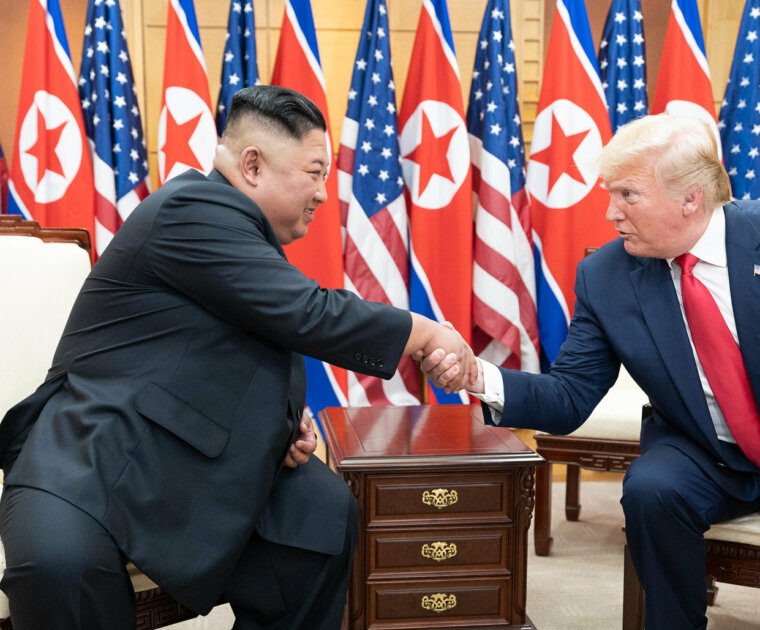
Is it a dead-end for US-North Korea talks?
After a lull, will it be a storm again? With the many rounds of formal talks between US officials and their counterparts from the Democratic People’s Republic of Korea (DPRK) remaining fruitless, there are portends of the Korean Peninsula heading back to the pre-Panmunjom days of hostilities and a potential re-run of the Kim Jong-Un regime’s uninhibited display of its military hardware.

Everything you need to know about the Programme on ‘Nuclear Responsibilities’
What are ‘nuclear responsibilities’ and what are they for? Find out everything you need to know about the BASIC-ICCS Programme on Nuclear Responsibilities.

Super Critical Podcast: ‘When the Wind Blows’
Tim Westmyer, the host of the Super Critical Podcast, invited BASIC’s Co-Director Sebastian Brixey-Williams to…

Why the Israeli Policy of Nuclear Ambiguity is Harmful for Prospects of a WMD Free Zone in the Middle East
The Israeli policy of nuclear ambiguity is perhaps one of the most controversial nuclear policies today, and is the subject of some criticism by other states in the Middle East and nuclear disarmament activists.

Stockholm Syndrome: Looking to Escape the Nuclear Trap We’re Caught In
Whilst the public debate over nuclear disarmament tends to deal in black and white, the reality is that the nuclear disarmament process to which every member of the international community is committed to inevitably involves a complex set of steps that can be taken unilaterally, bilaterally and multilaterally.