
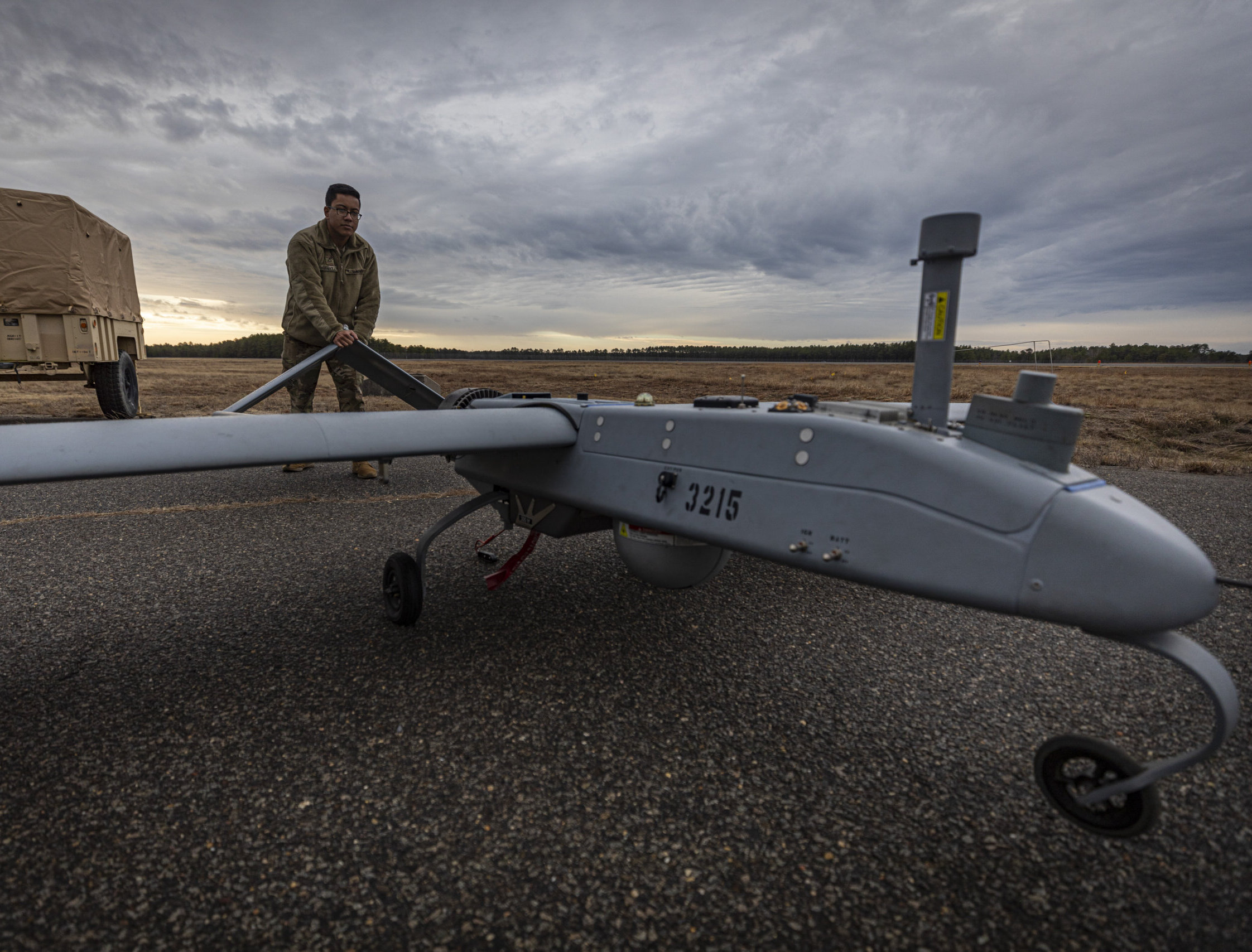
Artificial intelligence is increasingly shaping how military forces sense, decide, and act. From data analysis and targeting support to logistics and command and control, machine-enabled systems are moving closer to the core of high-stakes decision-making. This evolution promises speed and efficiency, but it also raises urgent questions about human control, accountability, and escalation in crisis and conflict.
At the heart of these debates lie human-machine interactions: how humans supervise, understand, and ultimately remain responsible for decisions made with the assistance of intelligent systems. When time is compressed and uncertainty is high, interactions between humans and machines can amplify error, obscure responsibility, and increase the risk of unintended escalation.
BASIC’s upcoming project, funded by the Department of National Defense (DND), Canada, through their Mobilizing Insights in Defense and Security (MINDS) Targeted Engagement Grant Program, examines how human-machine interaction is understood and managed in high-stakes military environments, with a focus on preventing unintended consequences while enabling responsible use. By analysing Canadian approaches alongside those of key partners, the project aims to identify best practices, highlight governance gaps, and develop actionable recommendations that strengthen oversight, accountability, and escalation management.
As military technologies evolve, the central question is not whether machines will play a role in decision-making, but how humans remain meaningfully in control and accountable for decision-making. Answering that question is essential not only for national defence policy, but for the future of international security and responsible global governance.