
Is it surprising, then, that we are witnessing an offence-defence arms race? It is somewhat like the Cold War, only worse, since the nuclear world today is multipolar. In fact, it not only comprises multiple bilateral nuclear dyads, but in some cases, these elongate into strategic chains.
As nine nuclear armed states expand and modernise their nuclear arsenals, one particularly startling idea that has made a come-back is that of limited nuclear war. It may be recalled that the idea of mutual assured destruction (MAD) so haunted Presidents Reagan and Gorbachev in the late 1980s that they categorically declared that nuclear wars “cannot be won and must never be fought.”
In recent times though, emboldened by technological developments of precision with low-yield nuclear weapons and improved missile defences, there is a renewed tendency to flirt with the idea of nuclear escalation management and control. Hence, NUTS, or nuclear use theorists − who once argued in the 1970s-80s that nuclear war fighting could be undertaken through logical and controlled operations − appear to be garnering traction once again.
“The more nations move towards the idea that they could contain a small nuclear war, the greater is the likelihood of the norm of non-use being broken.”
The idea of limited nuclear use or a “small” nuclear war threatens to disrupt the organising principle of nuclear deterrence premised on mutual vulnerability that has until now kept the possibility of nuclear war at bay. The lure of counterforce targeting could tempt nations into believing that limited, small nuclear wars can be custom-made to suit situations.
But if the taboo against use of nuclear weapons is broken once − through the conduct of a nuclear exchange that shows the “successful” ability of parties involved to keep the nuclear war limited − it could set a precedent for more to follow. And, there is no predicting the future thereafter. While the first user of the weapon might be careful to calibrate their response in order to cause minimum collateral damage, there can be no guarantee that the attacked party would follow the same rules. They might prefer a “quid pro quo plus” strategy, prompting another attack, and so on, thereby snowballing the use pattern into something bigger and far less controllable.
Therefore, the more nations move towards the idea that they could contain a small nuclear war, the greater is the likelihood of the norm of non-use being broken, leading to the conventionalisation of nuclear use. In a world of inter-state tensions, hyper-nationalist leaders and a misplaced technological confidence, such risks could only become greater.
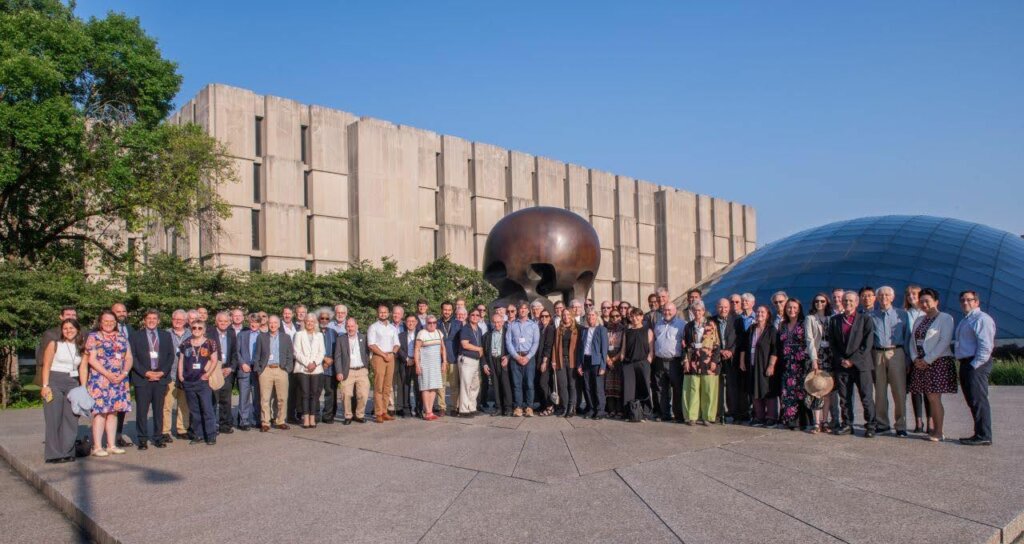
It was to draw attention to the grimness of our times that the Nobel Laureate Assembly brought together about 100 Nobel laureates, nuclear experts, academics, and activists to brainstorm practical and actionable recommendations to pull the world back from the nuclear brink. The declaration from the event recommends putting pressure on global leaders to, inter alia:
- Reaffirm their commitment to a test moratorium;
- Not place nuclear weapons in outer space;
- Fulfil the objectives of the nuclear Non-Proliferation Treaty;
- Establish strategic dialogues without pre-conditions and preconceived notions of outcomes;
- Study the scientific, legal and military implications of Emerging and Disruptive Technologies;
- Ensure enhanced human control and oversight over nuclear command and control;
- Reject the concept of absolute security.
Even if one or two leaders of our times could heed the call of this declaration, it could turn the tide before we run out of time and luck.