5 FEBRUARY, LONDON: From Thursday 5 February, for the first time since 1972, there will be no legally binding limits on deployed Russian and US nuclear weapons and no new agreement on the negotiating table.
The expiry of the New Strategic Arms Reduction Treaty (New START) this week marks a new chapter for nuclear diplomacy between the world’s two most heavily armed nuclear states. It calls for renewed focus on the importance of culturally sensitive dialogue, active listening, and constellational thinking about our increasingly multipolar world.
The Old World is Dying – An Even Older World Is Back
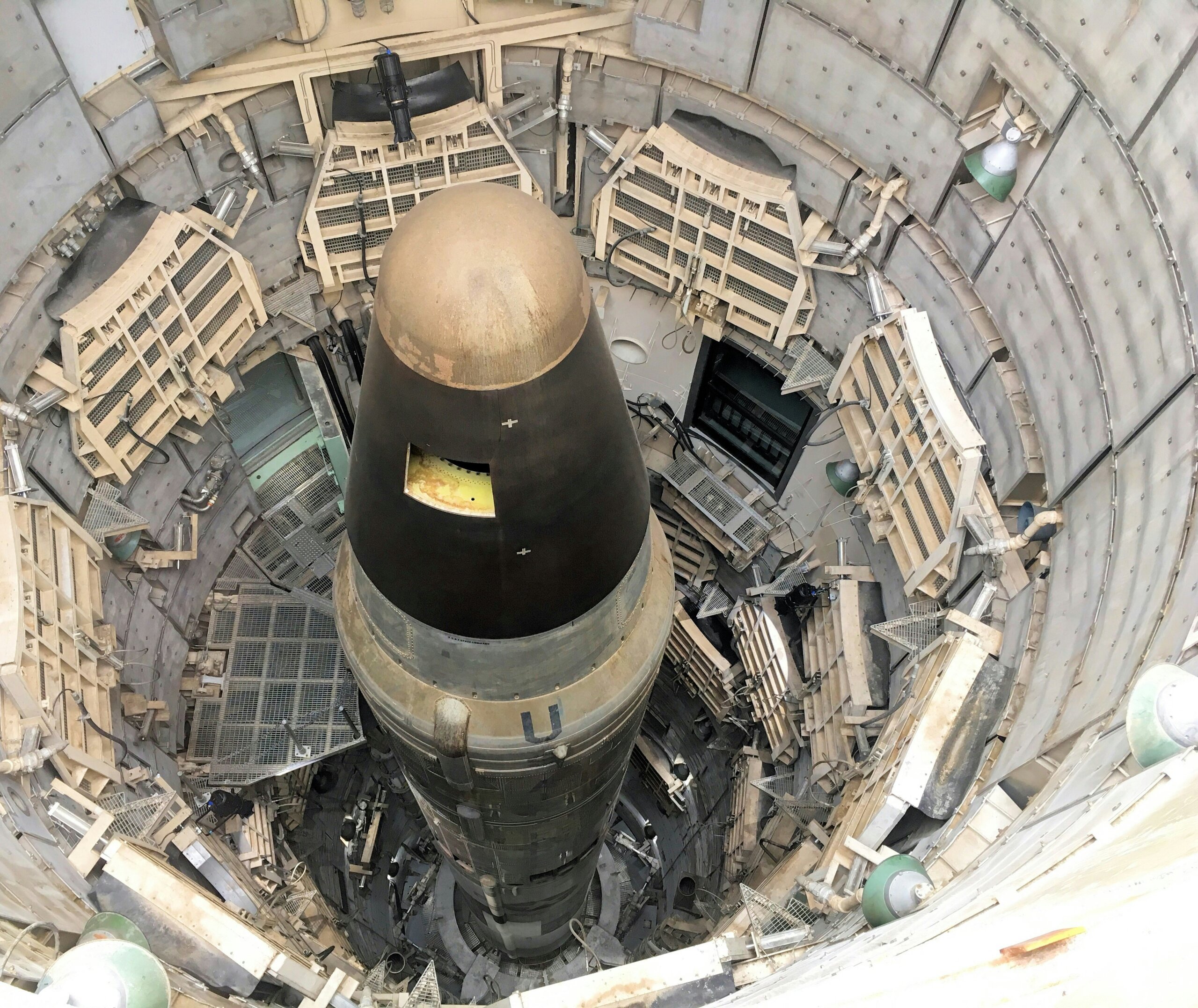
When New START entered into force in 2011, it was the latest in a series of treaties drawn up since 1972 to limit the size of nuclear arsenals held by the Soviet Union and Russia and the US. The treaty placed caps on the countries’ deployed intercontinental missiles, nuclear warheads, and missile launchers and enabled short-notice, on-site inspections to check compliance, alongside exchange of data. This created predictability, transparency, and stability and helped keep a dangerous nuclear arms race at bay.
As of 5 February, these mechanisms cease to exist. The prospect of a new agreement is unlikely: US President Donald Trump recently stated: “if [New START] expires, it expires”.
The expiry of New START without a successor comes as no surprise – it has long been on the cards. This reflects, in part, the United States’ reduced appetite for entering legal arrangements that could constrain its ability to modernise its nuclear forces, particularly at a time when China is undertaking significant expansion and modernisation of its own arsenal. Further, the US has established capacity to manufacture more effective nuclear weapons than Russia, reducing its incentives to come to the negotiating table. The US has shared plans to develop “the world’s most robust, credible, and modern nuclear deterrent” and is now also looking to modernise its nuclear capabilities. Meanwhile, Russia has also significantly modernised its capabilities, particularly with its hypersonic missile programme.
A World Without Restraint
The implications of not replacing New START are serious: long-standing “guardrails” on nuclear forces are weakening at a time of heightened geopolitical volatility and strain on international legal frameworks. A new arms race is more likely. Other nuclear powers will also be watching closely, reflecting on what the end of New START means for US-Russian arms proliferation and their own and other nations’ nuclear plans.
Emerging technologies make debates even more complex. New tech such as hypersonic missiles enables far faster escalation, both in terms of communications and warhead deployment.
Averting An Arms Race Requires Active Listening
It is crucial that states come back to the negotiating table and dedicate resources and expertise to listen robustly to each other’s concerns about nuclear arms, deterrence, and safety. Policymakers, civil servants, civil society, and the public at large need to renew how we think about nuclear arms, deterrence, and dialogue. Nuclear deterrence is first and foremost an issue of communication: states expand their arsenals based on worst-case scenarios about other nations’ nuclear activities. With the end of New START, we are moving back to this deterrence culture.
Alongside legal constraints on numbers, clear, consistent lines of communication can open the door for a practical understanding about specific types of behaviour and practices. Russia and the US have longstanding channels of communication with regards to nuclear weapons, such as a hotline between presidents, forged after the Cuban Missile Crisis of 1962. That will not disappear – in fact, it will play a key part in future nuclear arrangements. With this longstanding legal framework breaking down, reducing nuclear risk depends on better communication across political and cultural divides and on recognising shared vulnerabilities as well as competing interests.
Dr Manuel Herrera, Senior Policy Fellow at BASIC and Manager of the Non-Proliferation and Disarmament Programme, said:
“Nuclear deterrence is a language, where two countries through the deployment of specific weaponry, and the laws that govern them, try to convey a message to each other. Through communication, we will minimise the risks of misunderstanding, laying the groundwork for future cooperation.”
“There is not a total breakdown in communication. There are well-established, fluid lines of communication between the governments. Given the treaty’s expiration, these open lines of communication become even more important.”