

In the latest series of articles reflecting on the anniversary of the May 2025 India-Pakistan crisis, Syed Ali Zia Jaffery examines how misperceptions, weak crisis-management mechanisms, emerging technologies, and geographical proximity could make future India-Pakistan crises dangerously prone to nuclear brinkmanship.
Analysis

India’s Post-May Signalling and the Erosion of Restraint in South Asia
In the latest of a series of articles assessing recent hostilities between India and Pakistan,…
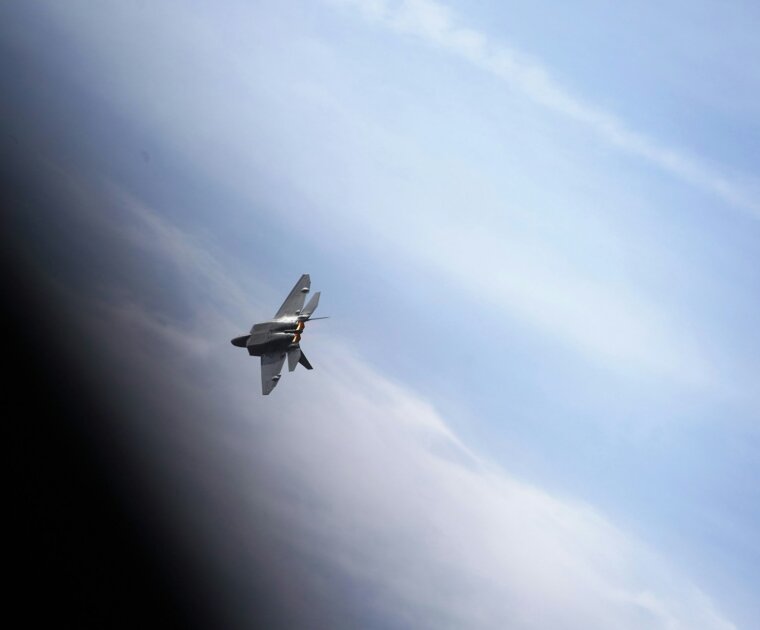
The Limits of Limited War and the Dangers of Escalation Dominance in the Aftermath of the Pakistan-India 2025 Crisis
In the latest of a series of articles assessing recent hostilities between India and Pakistan,…
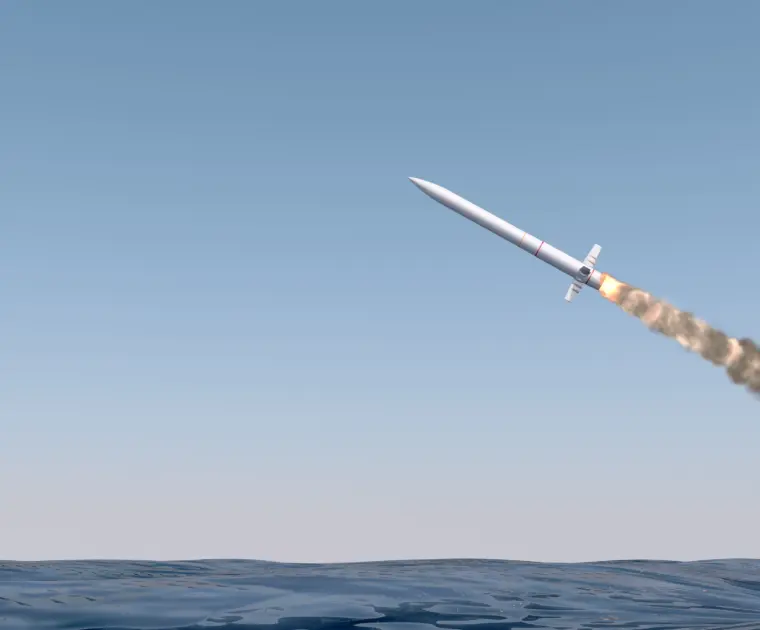
The Proliferation of Ballistic Missiles to Non-State Actors: A Strategic Challenge on the Rise
BASIC’s Policy Fellow Eva-Nour Repussard has this assessment of ballistic missile proliferation and the…
Echoes of the Past: Iran, Israel, the IAEA, and the Politics of Condemnation
In this column, Ludovica Castelli says that, in Iran’s eyes, the International Atomic Energy Agency…

A Live-Streamed Crisis: Technology and the Erosion of Information Control in the 2025 India-Pakistan Crisis
In the latest of a series of articles assessing recent hostilities between India and Pakistan,…
De-siloing Existential Threats III: Future Pathways to a World Beyond Nuclear Deterrence Report
BASIC’s latest publication in conjunction with its Emerging Voices Network offers a compelling insight…
After the Israel-Iran war, Diplomacy is the Only Way Forward
Iranian and Israeli peace activists argue that dialogue is the most effective way of reducing…