In collaboration with the Stanley Center for Peace and Security, BASIC recently hosted an oral history workshop to launch the “Adventures in Risk Reduction: Oral History Project”. Below, Emerging Voices Network (EVN) Policy Intern Chiara Fargnoli introduces the project and reflects on how this first event equips participants with the skills to record and preserve knowledge across generations for the benefit of nuclear risk reduction policy.
Storytelling plays a crucial role in how nuclear policy communities retain knowledge, tackle new challenges, and develop expertise. However, in a field characterised by strategic ambiguity, political sensitivity, and secrecy, much of the wisdom held by practitioners remains unwritten, inaccessible, or sometimes unclear. This absence of recorded experience can result in the loss of valuable insights and information that shaped key decisions. Therefore, preserving the stories, experiences, and lessons learned from practitioners is essential not only to have an accurate historical understanding of past events but also to ensure that such knowledge does not get lost over time and instead helps to inform future policy decision-making.
This is the reason why BASIC and the Stanley Center for Peace and Security launched the “Adventures in Risk Reduction: Oral History Project”. The workshop for the project, which took place in Türkiye, Istanbul, between 3-7 November 2025, convened a group of nineteen early and mid-career nuclear policy researchers and analysts from diverse professional, cultural, and disciplinary backgrounds dedicated to strengthening global nuclear risk reduction efforts and improving the ways in which knowledge is captured and transmitted across generations.
As part of the training, participants had the opportunity to learn from our distinguished lead trainer Shanna Farrell, an oral historian at UC Berkeley’s Oral History Center, who offered an in-depth introduction to the foundations of oral history, guiding participants through the various steps of conducting an oral history project. Workshop sessions involved interview design, best practices for recording, and how to handle sensitive information, navigate ethical challenges, address conflicting recollections, and build a meaningful rapport with the narrator (narrator is the standard term used for the “interviewee” in oral history). In addition to oral history methodologies, trainees also benefitted from receiving unique insights from Jennie Gromoll, who served in the US Department of State and Arms Control and Disarmament Agency for 38 years. Drawing on her extensive career, Jennie shared her personal stories and insights into the intricate dynamics of arms control negotiations and complexities of decision-making.
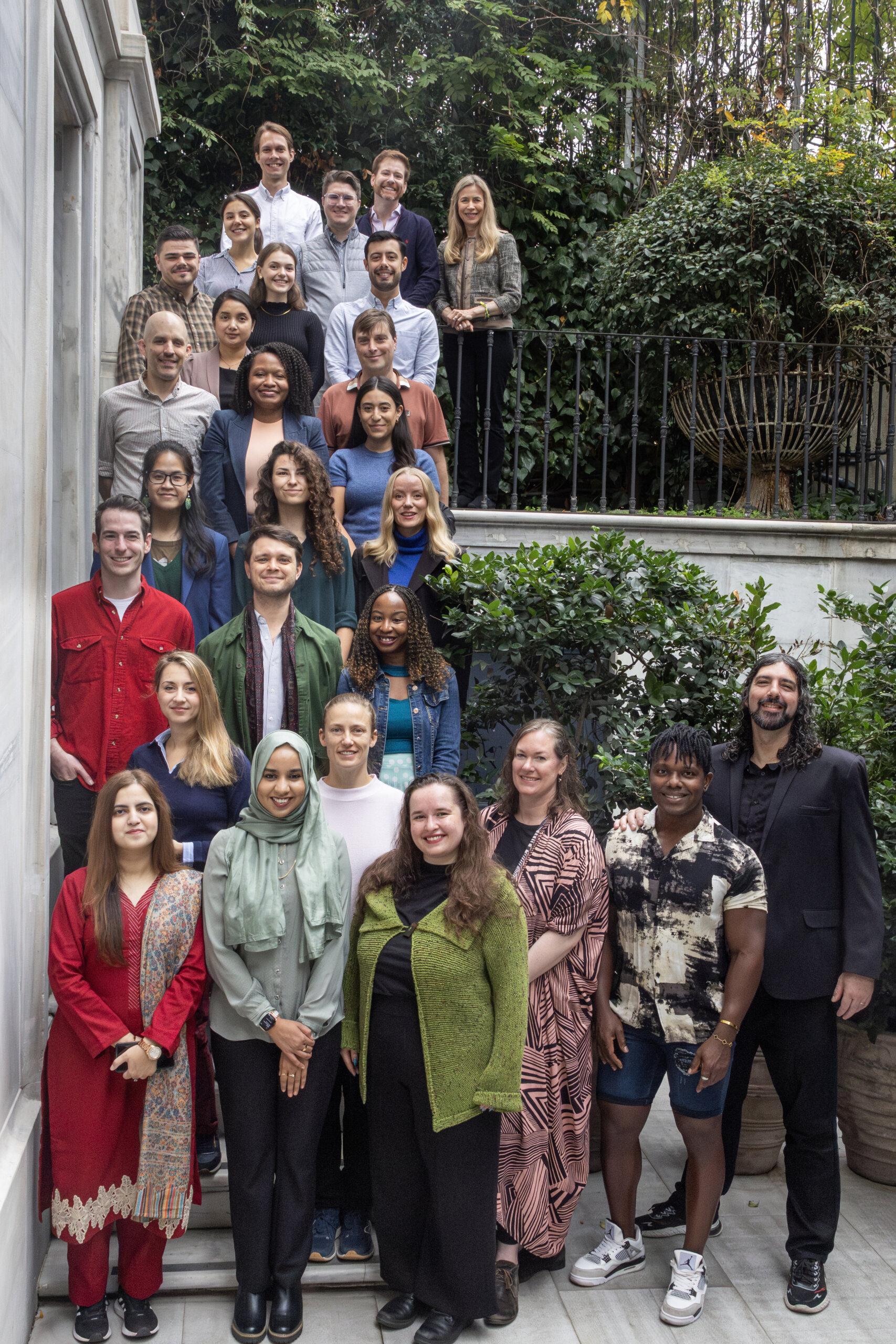
In the coming months, each participant will conduct an oral history interview with a nuclear risk reduction practitioner, with the goal to capture the narrator’s story, including lessons learned, insights from past negotiations, and personal reflections. The narrators may include former diplomats, military officials, and other senior figures who have significantly contributed to the nuclear policy field. Once conducted, the interviews will undergo a process of transcription and editing to ensure that all the information from the narrator is correctly recorded and accessible to future researchers. The interview recordings will then be published alongside a capstone conference in 2026.
While the project is still in its early stages, it represents a significant contribution to preserving and strengthening collective memory among nuclear risk reduction practitioners. By empowering emerging experts to collect and share stories that might otherwise be forgotten, this project helps ensure that critical knowledge from the past continues to inform today’s nuclear risk reduction efforts. Many thanks to the organising team, especially everyone at the Stanley Centre, for all their hard work.